


cheap nonconductive r7 hose suppliers Performance Analysis
Introduction
Non-conductive R7 hoses are critical components in hydraulic systems where electrical isolation is paramount. Specifically designed for applications requiring resistance to the flow of electricity, these hoses prevent potentially hazardous grounding issues and protect sensitive equipment. R7 signifies a specific Society of Automotive Engineers (SAE) specification defining dimensional characteristics and performance parameters for non-reinforced hydraulic hose. The growing demand for these hoses stems from increased safety regulations in industries like mining, construction, agriculture, and specialized manufacturing, where hydraulic systems operate near electrical sources or within electrically sensitive environments. The rise of electrically powered hydraulic power units (EHPU) further emphasizes the necessity for non-conductive hose assemblies. Sourcing from “cheap” suppliers requires careful consideration of material consistency, manufacturing quality control, and adherence to relevant standards, as compromises in these areas can lead to premature failure and significant safety risks. This guide provides a comprehensive technical overview of non-conductive R7 hoses, covering material science, manufacturing processes, performance characteristics, failure modes, and relevant industry standards.
Material Science & Manufacturing
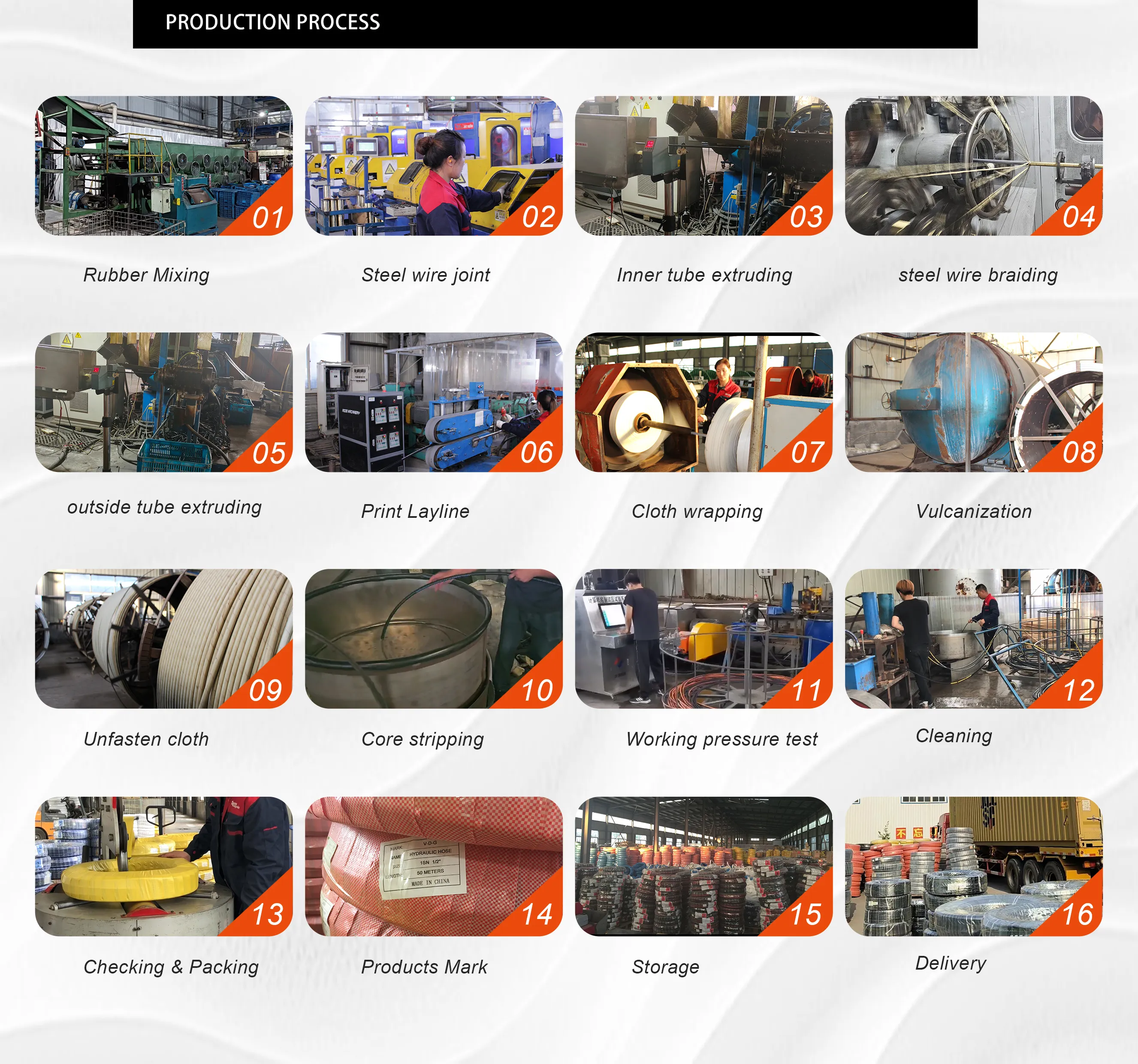
Non-conductive R7 hoses typically utilize a synthetic rubber inner tube, commonly based on nitrile rubber (NBR) or ethylene propylene diene monomer (EPDM). NBR offers excellent resistance to petroleum-based hydraulic fluids, while EPDM provides superior resistance to heat, ozone, and weathering. The critical feature differentiating these hoses is the incorporation of non-conductive fillers within the rubber matrix. Carbon black, a common reinforcing agent in standard hydraulic hoses, is a highly conductive material. Therefore, non-conductive R7 hoses employ fillers such as silica, alumina trihydrate (ATH), or magnesium hydroxide (Mg(OH)₂). ATH and Mg(OH)₂ also provide flame-retardant properties. The reinforcement layer consists of multiple spiral plies of high-tensile synthetic fiber, typically polyester, providing the necessary pressure resistance. The outer cover is also a synthetic rubber compound, often a blend of NBR and other polymers for abrasion and weather resistance. Manufacturing involves several key steps: rubber compounding (precise mixing of base polymers, fillers, plasticizers, and curing agents), inner tube extrusion, reinforcement ply winding, outer cover extrusion, and final curing. Critical process parameters include mixing temperature, extrusion speed, ply tension, and curing time/temperature. Deviation from specified parameters can result in porosity, uneven filler distribution, or inadequate ply adhesion, compromising hose performance and electrical resistance. Batch traceability of raw materials is crucial for quality control.
Performance & Engineering
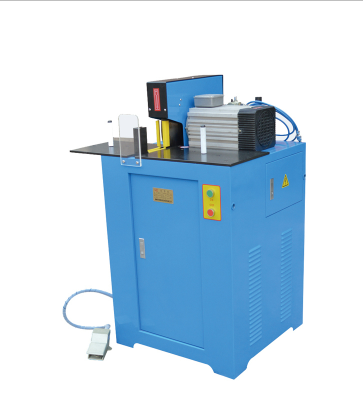
The primary performance criterion for non-conductive R7 hoses is electrical resistance, measured in ohms per foot. Industry standards (SAE J514, ISO 1817) typically require a minimum resistance of 1 megohm per foot. Beyond electrical isolation, these hoses must meet the pressure ratings specified by the R7 standard (typically up to 2500 psi). Burst pressure is a critical safety parameter, routinely tested during manufacturing. Furthermore, performance is evaluated under various environmental conditions, including temperature extremes (-40°C to +100°C) and exposure to hydraulic fluids. Engineering considerations involve proper hose assembly techniques, including the correct crimping of fittings to ensure a leak-free and mechanically sound connection. The selection of fitting materials (steel, stainless steel, or brass) must be compatible with the hydraulic fluid and operating environment. Fatigue life is another important factor, particularly in applications involving cyclical pressure and bending. Finite element analysis (FEA) is often employed to optimize hose design and predict fatigue performance. Static and dynamic bend radius calculations are essential to prevent kinking and premature failure. The hose's dielectric strength—its ability to withstand electrical stress without breakdown—is determined by the filler concentration and polymer formulation.
Technical Specifications
| Parameter | Unit | Typical Value (NBR/Silica Filled) | Typical Value (EPDM/ATH Filled) |
|---|---|---|---|
| Working Pressure | psi | 2000 | 2200 |
| Burst Pressure | psi | 8000 | 8800 |
| Electrical Resistance | Ω/ft | >1 Megohm | >2 Megohm |
| Temperature Range | °F | -40 to +212 | -40 to +248 |
| Inner Tube Material | - | Nitrile Rubber (NBR) | Ethylene Propylene Diene Monomer (EPDM) |
| Reinforcement | - | Polyester Spiral Ply | Polyester Spiral Ply |
| Outer Cover Material | - | NBR Blend | EPDM Blend |
Failure Mode & Maintenance
Common failure modes in non-conductive R7 hoses include: Electrical Breakdown: Gradual reduction in electrical resistance due to contamination or degradation of the filler material. Pressure Failure: Bursting or leaking due to exceeding the working pressure, ply separation, or fitting failure. Abrasion/Wear: Damage to the outer cover from contact with abrasive surfaces. Kinking: Bending beyond the minimum bend radius, causing internal damage and restricting flow. Fluid Compatibility Issues: Degradation of the inner tube due to incompatible hydraulic fluid. Permeation: Leakage of hydraulic fluid through the hose wall, particularly with fluids that are not compatible with the rubber compound. Fatigue Cracking: Repeated flexing leading to cracks in the reinforcement or hose body. Maintenance involves regular visual inspections for signs of damage, leaks, or wear. Hose assemblies should be replaced if any defects are detected. Proper storage is essential to prevent degradation from ozone, UV exposure, and extreme temperatures. When replacing hoses, ensure that the new assembly is compatible with the hydraulic fluid and operating conditions. Avoid over-tightening fittings during assembly. Document all maintenance activities and hose replacement dates for traceability.
Industry FAQ
Q: What is the impact of humidity on the electrical resistance of a non-conductive R7 hose?
A: Increased humidity can, over time, reduce the electrical resistance of a non-conductive R7 hose. The fillers, particularly ATH and Mg(OH)₂, are hygroscopic, meaning they absorb moisture. This moisture absorption can create conductive pathways, lowering the overall resistance. Regular testing is recommended in high-humidity environments.
Q: How do different hydraulic fluids affect the service life of an EPDM vs. NBR inner tube?
A: NBR is generally more resistant to petroleum-based hydraulic fluids, while EPDM excels with phosphate ester fluids. Using the wrong fluid can cause swelling, cracking, and premature failure of the inner tube. EPDM offers superior resistance to brake fluids, while NBR isn't suitable.
Q: What fitting materials are recommended for non-conductive R7 hoses to maintain electrical isolation?
A: Non-conductive fittings are crucial. Avoid steel fittings if electrical isolation is paramount. Stainless steel with a non-conductive coating, or specialized polymer fittings, are preferred. Ensure the fitting's dielectric strength is comparable to the hose.
Q: What testing is performed to verify the non-conductive properties of a hose during manufacturing?
A: Manufacturers routinely perform dielectric strength testing (high-voltage testing) and surface resistivity measurements to verify electrical resistance. Leakage current tests are also conducted. Batch testing and adherence to ISO 1817 are critical quality control measures.
Q: How does temperature affect the burst pressure of a non-conductive R7 hose?
A: Burst pressure generally decreases with increasing temperature and increases with decreasing temperature. High temperatures reduce the rubber's tensile strength. Manufacturers provide derating factors for burst pressure at various temperatures. Always consult the manufacturer’s data sheet for specific temperature derating information.
Conclusion
Non-conductive R7 hoses are essential safety components in hydraulic systems demanding electrical isolation. The selection of appropriate materials – specifically non-conductive fillers like silica, ATH, or Mg(OH)₂ – and precise manufacturing control are paramount to achieving the required electrical resistance and mechanical performance. Understanding the trade-offs between different rubber compounds (NBR vs. EPDM) and the impact of environmental factors, such as humidity and temperature, is crucial for ensuring long-term reliability and preventing premature failure.
Future developments in this area will likely focus on novel filler materials with improved electrical resistance and mechanical properties, as well as advanced manufacturing techniques to enhance filler dispersion and hose durability. Implementing robust quality control procedures and adhering to stringent industry standards will remain critical to guaranteeing the safety and performance of these vital components. Ongoing monitoring and regular inspection of hose assemblies are essential for identifying potential problems before they escalate into critical failures.