


cheap high pressure hydraulic hose products Performance Analysis
Introduction
High-pressure hydraulic hoses are critical components in numerous industrial applications, transmitting fluid power for machinery operation. This guide focuses on cost-effective, high-pressure hydraulic hoses, examining their construction, performance characteristics, potential failure modes, and relevant industry standards. These hoses typically serve as alternatives to premium, branded options, offering a balance between functionality and affordability. Their primary applications span construction equipment, agricultural machinery, material handling, and general industrial hydraulics where stringent pressure ratings and reliable fluid conveyance are required but budgetary constraints exist. The core performance characteristics are dictated by burst pressure, working pressure, temperature range, and fluid compatibility. Understanding these parameters is essential for selecting the appropriate hose for a given application, avoiding premature failure and ensuring operational safety. A primary industry pain point is balancing cost with longevity and safety; cheaper hoses often utilize less robust materials and manufacturing processes, increasing the risk of failure and potential workplace hazards.
Material Science & Manufacturing
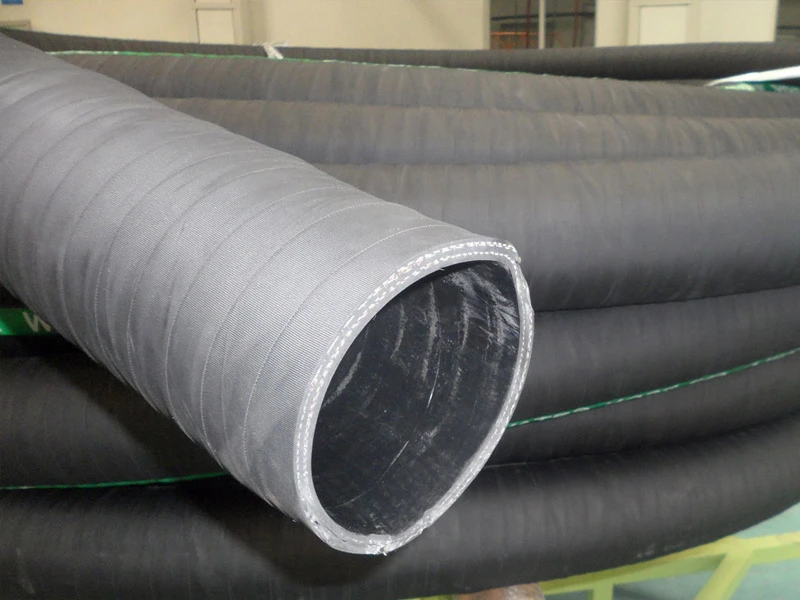
The construction of a high-pressure hydraulic hose typically involves four key layers: the inner tube, reinforcement layers, outer cover, and fittings. The inner tube, responsible for fluid containment, is commonly composed of synthetic rubber compounds such as nitrile (NBR), also known as Buna-N, or ethylene propylene diene monomer (EPDM). NBR offers excellent resistance to petroleum-based hydraulic fluids but exhibits limited temperature resistance. EPDM provides superior temperature and weather resistance but may be less compatible with certain fluid types. Reinforcement layers, providing the hose's strength and pressure handling capability, typically consist of multiple plies of high-tensile steel wire. The number and gauge of the wire determine the hose's burst pressure. Cheaper hoses frequently employ fewer reinforcement layers or utilize lower-grade steel alloys, compromising pressure capacity and fatigue life. The outer cover, providing abrasion and weather protection, is usually made of synthetic rubber compounds like chloroprene (CR) or polyurethane (PU). Manufacturing processes involve extrusion of the inner tube and cover, followed by spiral winding of the reinforcement layers. Critical parameters during manufacturing include precise control of rubber compound mixing ratios, extrusion temperatures, wire tension during winding, and vulcanization (curing) time and temperature. Inadequate vulcanization can result in reduced rubber elasticity and compromised sealing properties. Quality control measures, often less stringent in cheaper production runs, heavily influence the final product’s performance.
Performance & Engineering
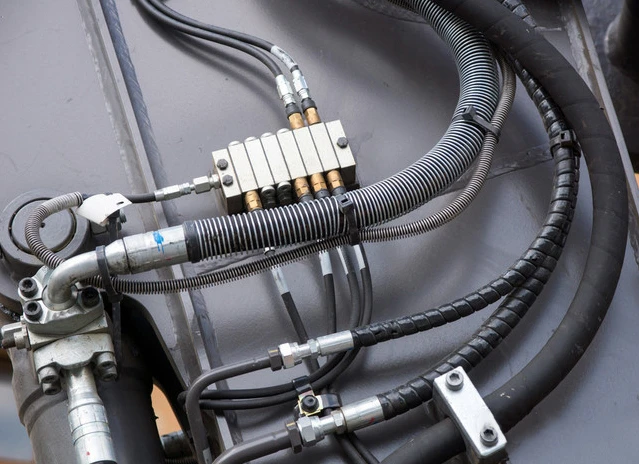
The performance of a hydraulic hose is fundamentally governed by its ability to withstand internal pressure without rupture or leakage. Burst pressure, typically tested according to SAE J517 standards, represents the maximum pressure the hose can withstand before failure. Working pressure is significantly lower, usually a fraction (e.g., 1/4) of the burst pressure, providing a safety factor. Force analysis focuses on hoop stress within the hose wall, which increases with internal pressure and hose diameter. The reinforcement layers resist this stress, preventing expansion and failure. Environmental resistance is another critical performance factor. Exposure to extreme temperatures, UV radiation, ozone, and corrosive chemicals can degrade the rubber compounds, reducing their elasticity and strength. Hydraulic fluid compatibility is crucial; incompatible fluids can cause swelling, softening, or cracking of the inner tube, leading to leaks. Consideration must be given to hose bend radius; exceeding the minimum bend radius induces stress concentrations, accelerating fatigue failure. Fittings play a vital role in hose performance. Improperly crimped or attached fittings can create leak paths and reduce the hose’s overall pressure rating. Compliance requirements include adherence to relevant safety standards (e.g., ISO 4413 for hydraulic systems) and environmental regulations regarding fluid containment.
Technical Specifications
| Parameter | Typical Value (Cheap HP Hose) | Unit | Test Standard |
|---|---|---|---|
| Working Pressure | 2000-3000 | PSI | SAE J517 |
| Burst Pressure | 8000-12000 | PSI | SAE J517 |
| Inner Tube Material | NBR/EPDM Blend | - | ASTM D2000 |
| Reinforcement | 2-4 Spiral Wire | Layers | SAE J517 |
| Outer Cover Material | CR (Chloroprene) | - | ASTM D2000 |
| Temperature Range | -40 to +100 | °C | SAE J517 |
Failure Mode & Maintenance
Common failure modes in high-pressure hydraulic hoses include pinhole leaks, burst failures, and fitting failures. Pinhole leaks often originate from internal degradation of the inner tube due to fluid incompatibility or aging. Burst failures result from exceeding the hose’s working pressure or fatigue cracking caused by repeated pressure cycles and flexing. Fitting failures can occur due to improper crimping, corrosion, or material fatigue. Fatigue cracking is a significant concern, particularly in applications involving constant bending and pressure fluctuations. Delamination, the separation of reinforcement layers, can weaken the hose and lead to catastrophic failure. Oxidation of the rubber compounds, accelerated by exposure to heat and ozone, reduces their elasticity and strength. Maintenance practices include regular visual inspections for signs of wear, cracking, or leakage. Hose assemblies should be inspected for proper routing, ensuring they are not subjected to excessive bending, abrasion, or twisting. Fittings should be checked for tightness and corrosion. If damage is detected, the hose should be replaced immediately. Fluid contamination can significantly reduce hose life; implementing proper filtration systems is crucial. Avoid over-pressurization and exceeding the hose’s specified temperature range. Periodic replacement schedules, based on application severity and operating conditions, are recommended.
Industry FAQ
Q: What is the primary difference between a standard and a high-pressure hydraulic hose?
A: The fundamental difference lies in the reinforcement construction. High-pressure hoses utilize multiple layers of high-tensile steel wire to withstand significantly higher internal pressures compared to standard hoses, which typically have fewer reinforcement layers or use alternative materials like fiber braiding. This directly translates to a higher burst pressure rating.
Q: How does fluid type impact hose selection and lifespan?
A: Fluid compatibility is critical. Using a hose with an incompatible inner tube material can cause swelling, softening, or chemical degradation, leading to leaks and premature failure. Petroleum-based fluids generally require NBR or Buna-N inner tubes, while phosphate ester fluids demand EPDM. Always consult a fluid compatibility chart before selecting a hose.
Q: What are the common causes of hose failure in heavy machinery applications?
A: Common causes include exceeding the working pressure, improper installation (e.g., tight bend radius), abrasion from contact with other components, exposure to extreme temperatures or corrosive environments, and fatigue cracking due to repeated flexing and pressure cycles. Regular inspections are vital to identify and address these issues.
Q: What safety precautions should be taken when replacing a hydraulic hose?
A: Always depressurize the hydraulic system before disconnecting any hoses. Wear appropriate personal protective equipment (PPE), including safety glasses and gloves. Ensure the new hose assembly meets or exceeds the original specifications. Properly torque the fittings to the manufacturer's recommendations. Carefully inspect the hose for any damage before installation.
Q: Is it acceptable to repair a damaged hydraulic hose with a patching kit?
A: Generally, repairing a damaged high-pressure hydraulic hose with a patching kit is not recommended. These repairs are often temporary and can compromise the hose’s structural integrity, increasing the risk of catastrophic failure. Full hose replacement is the preferred and safest option.
Conclusion
The selection and implementation of cost-effective, high-pressure hydraulic hoses require careful consideration of material properties, manufacturing processes, and application-specific requirements. While cheaper options offer a lower upfront cost, a thorough understanding of their limitations regarding pressure ratings, temperature resistance, and fluid compatibility is essential to avoid premature failures and ensure operational safety. The balance between cost savings and long-term reliability is paramount.
Future trends point towards the development of more durable and chemically resistant rubber compounds, along with advancements in reinforcement technologies to enhance hose strength and fatigue life. Implementing robust preventative maintenance programs, including regular inspections and fluid analysis, will further extend hose lifespan and minimize the risk of costly downtime. Proper hose management remains critical for optimizing performance and ensuring the safety of hydraulic systems.