


cheap din20023 hydraulic hose Performance Analysis
Introduction
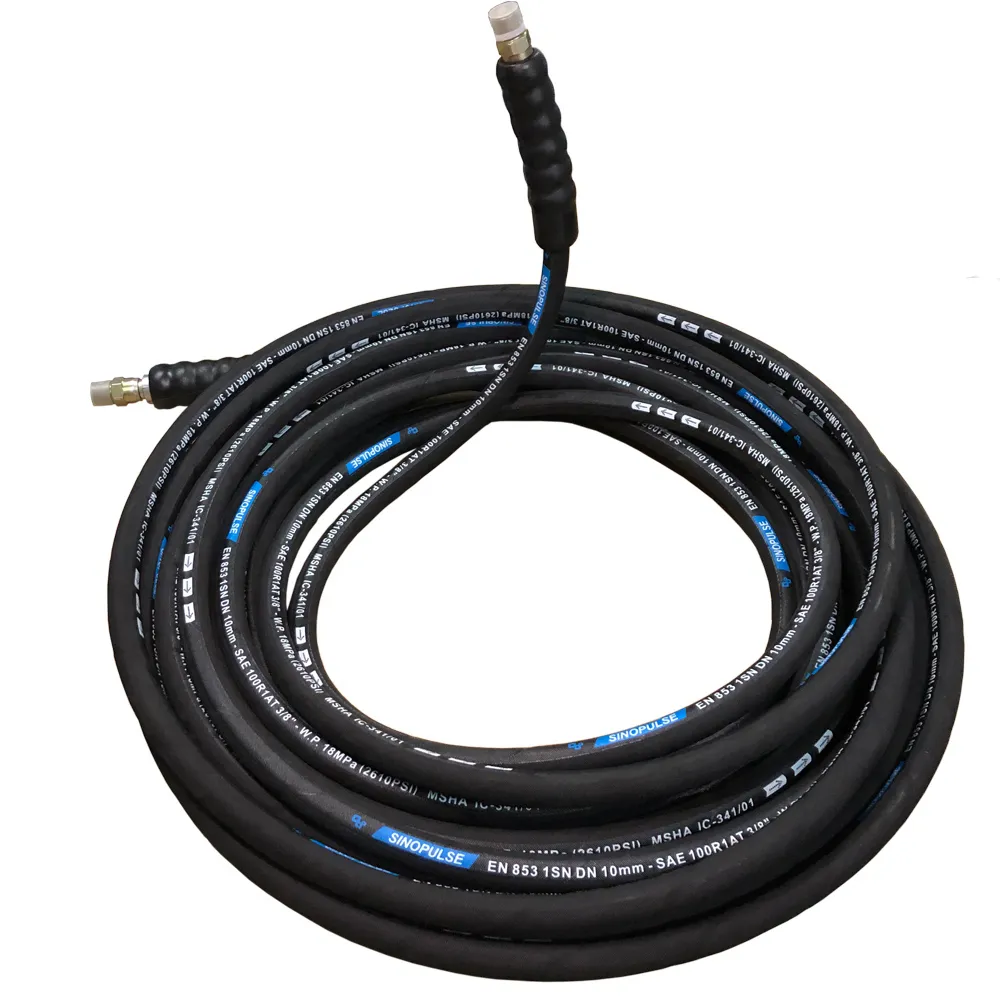
DIN 20023 specifies the technical delivery conditions for hydraulic hoses, predominantly those with synthetic rubber inner tubes reinforced with one or more layers of high-tensile steel wire braids. These hoses are extensively utilized in mobile and stationary hydraulic machinery, construction equipment, agricultural implements, and industrial applications demanding fluid power transmission. "Cheap" DIN 20023 hoses represent a segment of the market focusing on cost-effectiveness, typically achieved through material selection, manufacturing tolerances, and quality control procedures. While offering a viable solution for less demanding applications, it is critical to understand the performance trade-offs inherent in these lower-cost alternatives. This guide provides a comprehensive technical overview of cheap DIN 20023 hydraulic hoses, encompassing material science, manufacturing processes, performance characteristics, failure modes, and relevant industry standards. The core pain point in this sector revolves around balancing cost with reliable performance and safety, especially given the potential for catastrophic failure in hydraulic systems.
Material Science & Manufacturing
Cheap DIN 20023 hoses typically utilize a synthetic rubber inner tube, commonly nitrile rubber (NBR) due to its excellent oil resistance and cost-effectiveness. However, lower-grade NBR formulations with reduced butadiene content may be employed to further reduce cost, compromising heat resistance and flexibility. Reinforcement is typically provided by one or two layers of high-tensile steel wire braid. The wire gauge and braid angle significantly influence burst pressure and flexibility; cheaper hoses often utilize smaller gauge wire and wider braid angles, reducing pressure capacity. The outer cover usually consists of chloroprene rubber (CR) or a similar synthetic rubber compound, providing abrasion and weather resistance. Lower-cost covers may lack UV stabilizers, accelerating degradation in outdoor applications. Manufacturing involves several key steps: inner tube extrusion, reinforcement braiding, hose assembly, and outer cover extrusion. Parameter control during extrusion (temperature, pressure, screw speed) affects rubber compound homogeneity and dimensional accuracy. Braid tension is critical; insufficient tension reduces burst pressure, while excessive tension can distort the inner tube. Quality control often focuses on burst pressure testing and dimensional checks, with less emphasis on fatigue testing or chemical compatibility assessments in cheaper variants. Material sourcing is a primary cost driver; cheaper hoses frequently utilize raw materials from less reputable suppliers with varying quality standards.
Performance & Engineering
The performance of DIN 20023 hoses is fundamentally governed by pressure ratings, temperature range, and fluid compatibility. Cheap hoses typically exhibit lower burst pressures and working pressures compared to premium equivalents. This is directly correlated with the steel wire reinforcement – lower wire tensile strength and reduced braid coverage result in diminished pressure containment capability. Furthermore, the rubber compounds used in cheaper hoses are more susceptible to degradation at elevated temperatures. Force analysis during flexing reveals that the inner tube experiences tensile stress, while the outer cover experiences compressive stress. Repeated flexing leads to fatigue, ultimately causing cracking and failure. Environmental resistance is also compromised; exposure to ozone, UV radiation, and hydraulic fluids can accelerate rubber degradation. Compliance requirements, as dictated by DIN 20023, mandate minimum performance criteria. However, cheaper hoses may meet these minimums through narrow margins, leaving little safety factor. The design of the hose end fittings is equally critical; improper crimping or fitting materials can create leak paths and failure points. Engineering considerations must account for potential surge pressures, thermal expansion/contraction, and hose routing to prevent kinking or abrasion.
Technical Specifications
| Parameter | Typical Value (Cheap DIN 20023) | Unit | Testing Standard |
|---|---|---|---|
| Working Pressure | 100 - 150 | bar | DIN EN 853 |
| Burst Pressure | 300 - 450 | bar | DIN EN 853 |
| Temperature Range | -40 to +100 | °C | DIN 20023 |
| Inner Tube Material | Nitrile Rubber (NBR) - Lower Grade | - | ASTM D2000 |
| Reinforcement | Single Steel Wire Braid | - | DIN 20023 |
| Outer Cover Material | Chloroprene Rubber (CR) - Basic Formulation | - | ASTM D2000 |
Failure Mode & Maintenance
Common failure modes in cheap DIN 20023 hydraulic hoses include burst failures due to exceeding pressure limits, fatigue cracking resulting from repeated flexing, and degradation of the rubber compounds. Burst failures are often initiated at weak points in the hose wall, such as imperfections in the braid or localized thinning of the rubber. Fatigue cracking typically originates at the inner tube surface and propagates outwards. Degradation manifests as hardening, cracking, and loss of elasticity, reducing the hose’s ability to withstand pressure and flexing. Oxidation, caused by exposure to oxygen and heat, accelerates rubber degradation. Hydrolytic degradation occurs in the presence of water, particularly in phosphate ester fluids. Maintenance includes regular visual inspections for signs of cracking, abrasion, or swelling. Hoses should be replaced immediately if any damage is detected. Proper hose routing is crucial to prevent kinking and abrasion. Avoid sharp bends and contact with hot surfaces. Ensure that hose end fittings are correctly crimped and compatible with the hydraulic fluid. Periodic fluid analysis can identify contaminants that accelerate hose degradation. A preventative maintenance schedule, based on operating hours and environmental conditions, is essential to maximize hose life and prevent catastrophic failures.
Industry FAQ
Q: What is the primary difference between a cheap DIN 20023 hose and a premium version in terms of lifespan?
A: The lifespan of a cheap DIN 20023 hose is typically significantly shorter, often by a factor of two to three, compared to a premium version. This reduction stems from lower-quality rubber compounds, reduced steel wire reinforcement, and less stringent quality control during manufacturing. Premium hoses utilize more durable materials and undergo more rigorous testing, resulting in greater resistance to fatigue, degradation, and pressure surges.
Q: Can a cheap DIN 20023 hose be used with synthetic hydraulic fluids (e.g., phosphate ester)?
A: Generally, no. Cheap DIN 20023 hoses, utilizing standard NBR inner tubes, exhibit poor compatibility with many synthetic hydraulic fluids, particularly phosphate esters. These fluids can cause rapid swelling and degradation of the NBR, leading to premature failure. Specialty hoses with fluorocarbon (FKM) or other fluid-resistant inner tubes are required for synthetic fluid applications.
Q: What is the impact of exceeding the working pressure on a cheap DIN 20023 hose?
A: Exceeding the working pressure significantly increases the risk of catastrophic failure – a burst. Cheap hoses have a lower safety factor than premium hoses, meaning they are closer to their burst pressure at the stated working pressure. Even a short-term pressure surge exceeding the working pressure can initiate cracks and weaken the hose, leading to eventual rupture.
Q: What preventative measures can be taken to extend the life of a cheap DIN 20023 hose?
A: While limited, preventative measures include careful routing to avoid kinking and abrasion, regular visual inspections for damage, and ensuring proper crimping of hose end fittings. Minimizing exposure to extreme temperatures, UV radiation, and ozone can also help prolong lifespan. Avoid using the hose in applications exceeding its specified pressure and temperature limits.
Q: Are there any specific applications where a cheap DIN 20023 hose is deemed acceptable?
A: They may be acceptable for low-pressure, intermittent-use applications in non-critical systems where failure poses minimal risk. Examples include certain agricultural implements, light-duty construction equipment, and basic fluid transfer lines. However, a thorough risk assessment should always be conducted before deploying cheap hoses in any application.
Conclusion
Cheap DIN 20023 hydraulic hoses represent a cost-effective solution for specific applications, but their reduced performance and durability necessitate careful consideration. The trade-offs in material quality, manufacturing tolerances, and testing procedures directly impact their lifespan and reliability. Understanding the limitations of these hoses, particularly concerning pressure ratings, temperature resistance, and fluid compatibility, is paramount to preventing failures and ensuring safe operation.
Ultimately, the decision to utilize a cheap DIN 20023 hose should be based on a comprehensive risk assessment, considering the application's severity, operating conditions, and potential consequences of failure. For critical applications demanding high reliability and safety, investing in premium hoses with superior performance characteristics is strongly recommended. Prioritizing preventative maintenance and regular inspections, even with cheaper hoses, can help mitigate risks and extend service life, but will not negate the inherent limitations of the materials and manufacturing processes.