


ce certification ss304 braid metal hose exporters Performance Analysis
Introduction
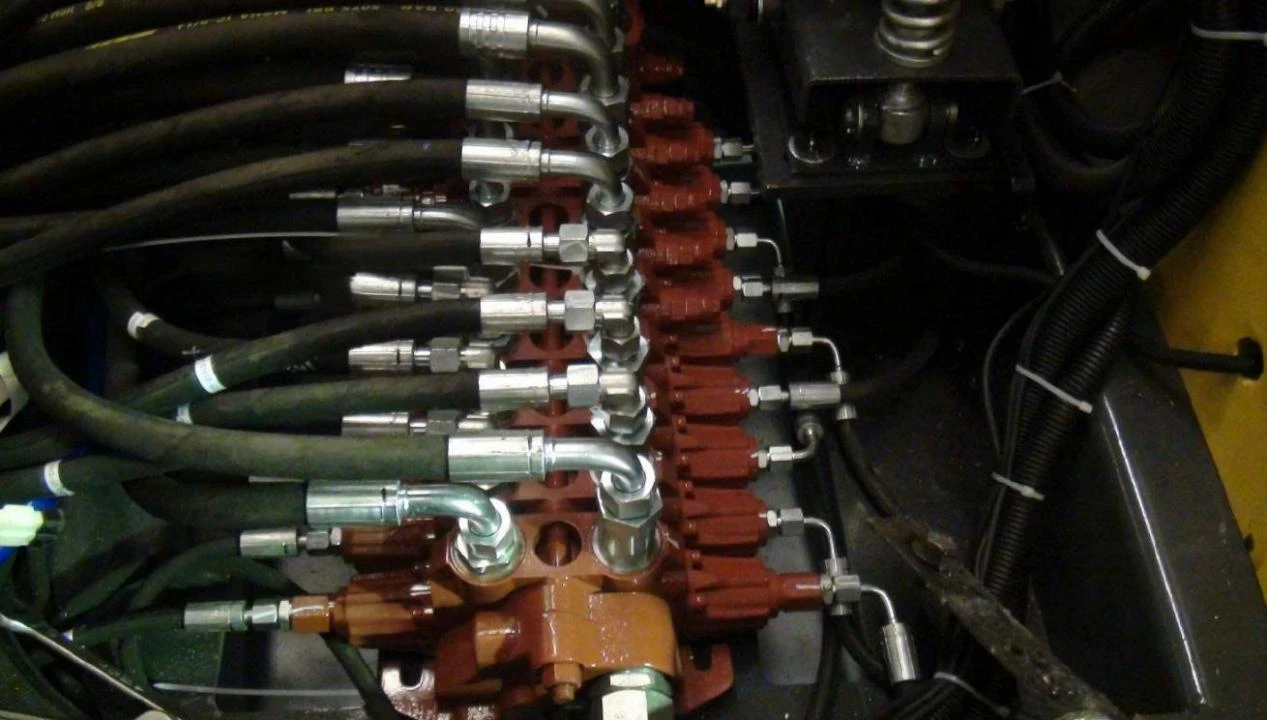
Stainless steel 304 braided metal hose, particularly those requiring CE certification, represents a critical component in fluid conveyance systems across diverse industrial applications. These hoses are integral to industries including hydraulic machinery, automotive, chemical processing, oil & gas, and food & beverage processing, functioning as flexible conduits for liquids and gases under pressure. Their technical position within the supply chain is as a finished component, directly influencing system reliability, safety, and operational efficiency. CE certification demonstrates conformity with European health, safety, and environmental protection standards, a crucial requirement for market access within the European Economic Area. Core performance characteristics – pressure rating, temperature resistance, chemical compatibility, and burst strength – dictate suitability for specific applications. The persistent challenges faced by procurers relate to ensuring consistent quality, verifiable certification, and long-term durability, particularly concerning corrosion resistance and fatigue life.
Material Science & Manufacturing
The foundational material, 304 stainless steel, is an austenitic alloy containing approximately 18% chromium and 8% nickel. This composition imparts excellent corrosion resistance, particularly in mild corrosive environments, and weldability. The core material’s mechanical properties – tensile strength (typically 517 MPa), yield strength (205 MPa), and elongation (60%) – are crucial for withstanding internal pressure. The braiding, typically utilizing 304 stainless steel wire, significantly enhances burst pressure capabilities and protects the inner tube from abrasion and external damage. Manufacturing begins with seamless stainless steel tubing, formed via extrusion or drawing processes. Precision control over tube diameter and wall thickness is paramount. The braiding process involves helically winding stainless steel wire around the tube, with braid angles influencing flexibility and pressure capacity. A critical parameter is the braid coverage, expressed as a percentage, directly impacting burst strength. Following braiding, end fittings (often steel or stainless steel) are attached via swaging, crimping, or welding. Welding processes, such as TIG (Tungsten Inert Gas) welding, require stringent control of heat input to avoid metallurgical changes in the heat-affected zone, potentially compromising corrosion resistance. Post-manufacturing, pressure testing is performed to verify leak-tightness and burst pressure. Quality control relies on non-destructive testing methods like eddy current testing to detect flaws in the braid and hydrostatic testing to assess the structural integrity of the entire assembly.
Performance & Engineering
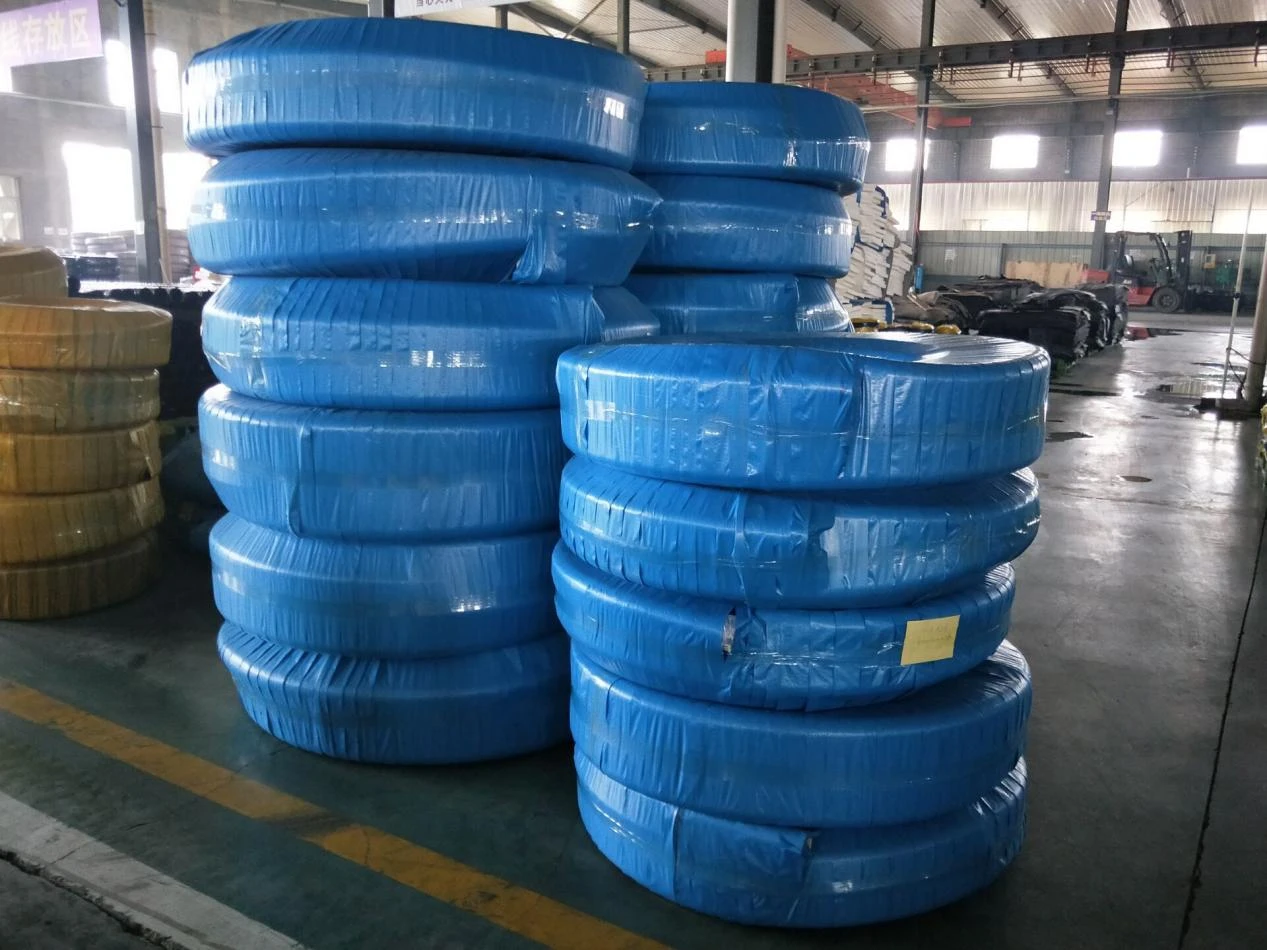
The performance of SS304 braided metal hose is heavily governed by fluid dynamics and material stress analysis. Force analysis involves calculating hoop stress within the hose wall due to internal pressure, with braid reinforcement mitigating this stress. Burst pressure calculations utilize Barlow’s formula, modified to account for braid contribution. Environmental resistance necessitates consideration of temperature effects; elevated temperatures reduce yield strength and creep resistance, while cryogenic temperatures can induce brittleness. Chemical compatibility is paramount; while 304 stainless steel exhibits good resistance to many chemicals, aggressive acids (hydrochloric, sulfuric) and chlorides can cause pitting corrosion. Fatigue life is a critical performance parameter, particularly in applications involving cyclic pressure fluctuations. Fatigue failure occurs due to crack initiation and propagation, influenced by stress amplitude, mean stress, and surface finish. CE certification mandates compliance with Pressure Equipment Directive (PED) 2014/68/EU, requiring rigorous design calculations, material traceability, manufacturing process validation, and independent third-party inspection. Furthermore, hoses destined for specific applications (e.g., hydraulic braking systems) may require additional certifications, such as ECE R79. Proper hose routing is critical to avoid kinking, abrasion, and excessive bending, all of which can compromise performance and lifespan.
Technical Specifications
| Parameter | Unit | Typical Value (SS304 Braid, 1" ID) | Testing Standard |
|---|---|---|---|
| Working Pressure | MPa | 20 | ISO 3862 |
| Burst Pressure | MPa | 80 | ISO 3862 |
| Temperature Range | °C | -40 to +100 | ASTM E831 |
| Braid Coverage | % | 85 | Company Standard |
| Inner Tube Material | - | 304 Stainless Steel | ASTM A276 |
| Braid Material | - | 304 Stainless Steel | ASTM A276 |
Failure Mode & Maintenance
Common failure modes in SS304 braided metal hose include fatigue cracking at the braid-to-fitting interface, corrosion-induced leakage (pitting or crevice corrosion), and hose rupture due to exceeding pressure limits. Fatigue cracking is often initiated by stress concentrations at crimped fittings or damaged braid wires. Corrosion is exacerbated by exposure to chlorides, sulfates, and aggressive chemicals. Rupture can occur due to material defects, manufacturing flaws, or impulsive pressure surges (hydraulic shock). Failure analysis typically involves visual inspection, microscopic examination of fracture surfaces, and chemical analysis of corrosion products. Preventive maintenance is crucial. Regular visual inspections should be conducted to identify signs of wear, corrosion, or damage. Hoses should be replaced at predetermined intervals or when any signs of degradation are observed. Proper hose routing, secure fitting connections, and the use of appropriate guarding are essential. Avoid overbending, kinking, or twisting the hose. Flush the system regularly to remove contaminants. When storing hoses, protect them from direct sunlight, extreme temperatures, and corrosive environments. Consider implementing a hose management program, tracking hose age, usage history, and maintenance records.
Industry FAQ
Q: What are the key differences between single and double braided stainless steel hoses, and how do these impact pressure rating and flexibility?
A: Single braid hoses offer moderate pressure capacity and good flexibility, suitable for general-purpose applications. Double braid hoses, with two layers of braided wire, provide significantly higher pressure ratings (typically 2-3 times higher) and enhanced abrasion resistance. However, double braid construction reduces flexibility compared to single braid. The choice depends on the specific pressure and flexibility requirements of the application. Higher pressures necessitate double braiding, while applications requiring tighter bends favor single braiding.
Q: How does the choice of end fitting material (carbon steel vs. stainless steel) affect the overall corrosion resistance of the hose assembly?
A: Using carbon steel fittings with stainless steel hoses creates a galvanic couple, accelerating corrosion of the carbon steel fitting, particularly in chloride-rich environments. Stainless steel fittings eliminate this galvanic corrosion risk and provide superior long-term corrosion resistance. While more expensive, stainless steel fittings are highly recommended for applications involving corrosive fluids or harsh environments.
Q: What is the role of passivation in enhancing the corrosion resistance of SS304 braided hose?
A: Passivation is a chemical treatment that removes free iron from the stainless steel surface, forming a protective chromium-rich oxide layer. This passive layer significantly enhances corrosion resistance by preventing oxidation and the formation of rust. Proper passivation is crucial for maximizing the lifespan of the hose in corrosive environments.
Q: What tests are included in a typical CE certification process for stainless steel braided hoses under the PED (Pressure Equipment Directive)?
A: CE certification under PED involves a comprehensive set of tests, including material traceability verification, hydrostatic testing (to demonstrate burst pressure and leak tightness), non-destructive examination (NDE) of welds, dimensional checks, and review of design calculations. A Notified Body performs independent assessment and certification.
Q: How does hose length affect its working pressure and minimum bend radius?
A: Generally, longer hose lengths experience a reduction in working pressure due to increased frictional losses and potential for elongation under pressure. Longer hoses also require larger minimum bend radii to avoid kinking and stress concentration. Manufacturers provide derating factors for pressure and specify minimum bend radii based on hose length and diameter.
Conclusion
SS304 braided metal hose, when manufactured to stringent quality standards and certified to relevant international regulations like CE (PED 2014/68/EU), represents a reliable and durable solution for fluid conveyance. The material science underpinning its performance – the interplay between 304 stainless steel properties, braid construction, and fitting materials – is critical to longevity. Understanding potential failure modes, such as fatigue cracking and corrosion, and implementing proactive maintenance strategies are paramount to ensuring operational safety and minimizing downtime.
Future developments will likely focus on advanced materials (e.g., duplex stainless steels for enhanced corrosion resistance), optimized braid configurations for improved flexibility and pressure capacity, and smart hose technologies incorporating sensors for real-time pressure and temperature monitoring. Continued adherence to rigorous testing and certification protocols remains essential for maintaining the integrity and reliability of these critical industrial components.