


ce certification r7 twin hose products Performance Analysis
Introduction
CE certified R7 twin hose assemblies represent a critical component within hydraulic systems used in a diverse array of industrial and mobile machinery applications. These hoses are specifically designed for high-pressure fluid conveyance, meeting stringent European safety and performance standards. The "R7" designation, adhering to SAE J518 standards (though CE certification requires fulfilling European standards equivalent to or exceeding these), defines a hose construction capable of withstanding significantly higher working pressures compared to lower-rated hoses like R6. This guide provides a comprehensive technical overview of R7 twin hose assemblies, covering material science, manufacturing processes, performance characteristics, potential failure modes, maintenance protocols, and relevant international standards. A key pain point in industry surrounds consistent material traceability and verifiable conformance to pressure ratings, leading to potential system failures and safety hazards. This guide addresses these concerns by detailing the specific requirements for CE marking and outlining best practices for material selection and quality control. The core performance characteristic of R7 hoses is their ability to reliably transmit hydraulic fluid at pressures up to 4500 psi (310 bar) continuously, and withstand periodic pressure surges significantly higher. Understanding the intricacies of these systems is paramount for engineers, procurement specialists, and maintenance personnel involved in hydraulic power transmission.
Material Science & Manufacturing
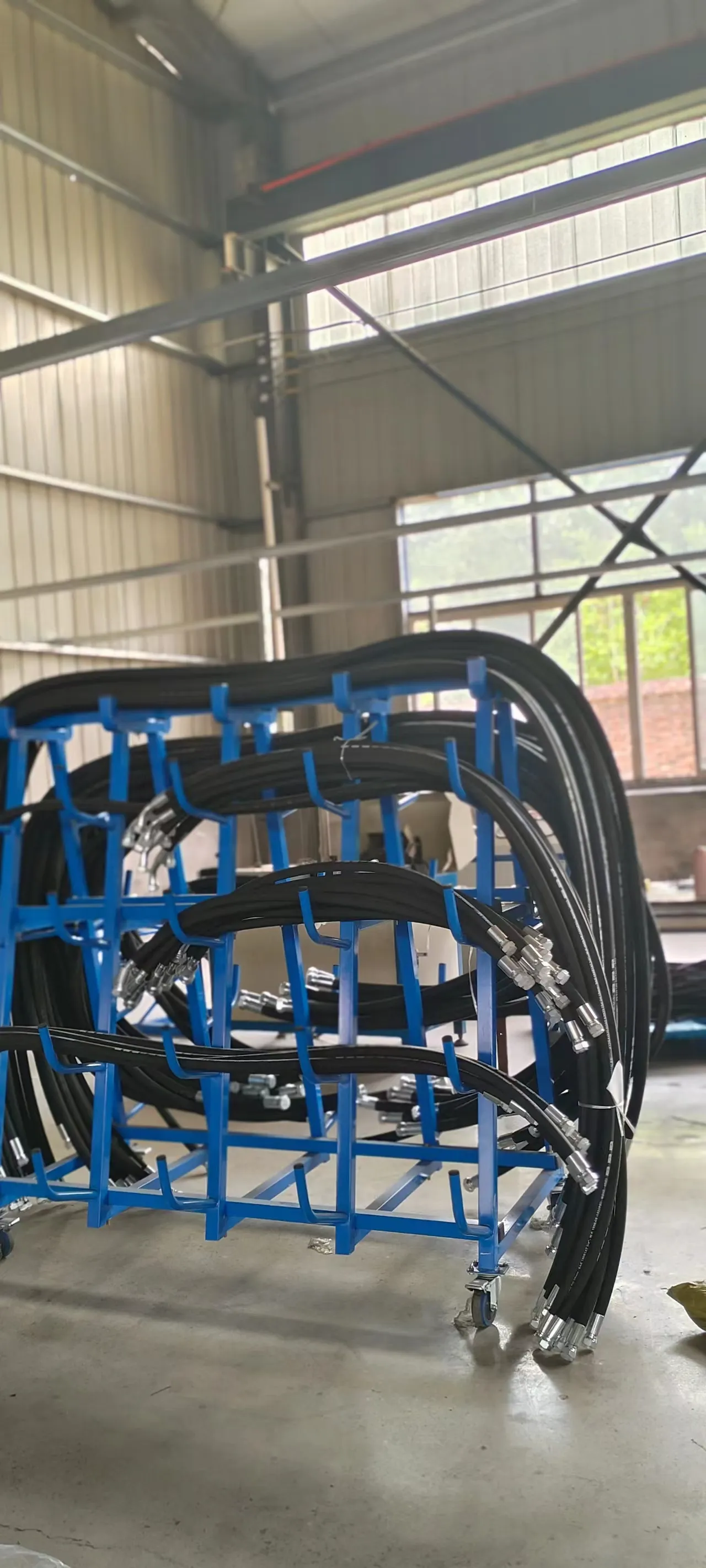
R7 twin hose assemblies are typically constructed from a multi-layered composition designed to optimize pressure resistance, flexibility, and fluid compatibility. The inner tube, crucial for fluid containment, is commonly composed of synthetic rubber compounds like nitrile (NBR), also known as Buna-N, or ethylene propylene diene monomer (EPDM). NBR offers excellent resistance to petroleum-based hydraulic fluids, while EPDM demonstrates superior compatibility with phosphate ester fluids. The reinforcement layer is the primary contributor to pressure bearing capacity. This layer usually consists of multiple spirals of high-tensile steel wire, precisely wound to create a robust structure. The number of spirals and the wire gauge directly correlate with the hose’s maximum working pressure. An outer cover, typically made of synthetic rubber like chloroprene (CR) or a thermoplastic polyurethane (TPU), provides protection against abrasion, weathering, ozone, and chemical attack. Manufacturing involves a precise process of extrusion, calendaring, and winding. The inner tube is extruded, followed by the application of the reinforcement spirals via a winding machine ensuring consistent pitch and tension. The outer cover is then applied through calendaring and vulcanization. Key parameter control points include maintaining consistent rubber compound formulations, precise wire tension during winding, and accurate curing temperatures and times during vulcanization. Improper curing can lead to compromised rubber elasticity and reduced bond strength between layers. The selection of coupling materials (steel, stainless steel, brass) is also critical, ensuring compatibility with the hose material and the hydraulic fluid. Corrosion resistance of coupling materials needs careful consideration depending on the operating environment.
Performance & Engineering
The performance of R7 twin hose assemblies is governed by several critical engineering principles. Burst pressure, defined as the pressure at which the hose fails catastrophically, is a primary design consideration and must significantly exceed the working pressure. A typical safety factor of 4:1 is applied, meaning the burst pressure is four times the maximum working pressure. Fatigue resistance is also paramount, particularly in applications involving cyclical pressure loading. Repeated pressure fluctuations can induce fatigue cracking in the reinforcement layer, leading to eventual failure. Finite Element Analysis (FEA) is commonly employed during the design phase to predict stress distributions within the hose under various loading conditions. Environmental resistance is another crucial factor. Exposure to extreme temperatures, UV radiation, and corrosive substances can degrade the rubber compounds, reducing hose lifespan. Hose assemblies must comply with relevant CE directives, notably the Machinery Directive 2006/42/EC, which outlines safety requirements for machinery. This directive mandates a thorough risk assessment and the implementation of appropriate safety measures, including the use of certified components like R7 hoses. Fluid compatibility must be verified to prevent swelling, softening, or degradation of the inner tube. Proper hose routing and support are essential to prevent kinking, abrasion, and excessive bending stresses. Furthermore, understanding the hose’s volumetric expansion under pressure is important for accurate system design, as fluid displacement can affect system performance.
Technical Specifications
| Parameter | Unit | Typical Value (R7 Hose) | Test Standard |
|---|---|---|---|
| Working Pressure | psi (bar) | 3000 - 4500 (207-310) | SAE J518 / EN 857 |
| Burst Pressure | psi (bar) | 12000 - 18000 (827-1241) | SAE J518 / EN 857 |
| Temperature Range | °F (°C) | -40 to +212 (-40 to +100) | SAE J518 / EN 857 |
| Inner Tube Material | - | NBR, EPDM | ASTM D2000 |
| Reinforcement | - | Multiple Spirals of High-Tensile Steel Wire | ASTM A228 |
| Outer Cover Material | - | CR, TPU | ASTM D2000 |
Failure Mode & Maintenance
R7 twin hose assemblies are susceptible to several failure modes. Fatigue cracking, as previously mentioned, is a common issue arising from cyclical pressure loading. This typically initiates at points of high stress concentration, such as near couplings or at bends. Abrasion, caused by external contact with abrasive surfaces, can wear through the outer cover and eventually damage the reinforcement layer. Ozone cracking, resulting from exposure to ozone in the atmosphere, manifests as surface cracks in the rubber compounds. Chemical attack from incompatible fluids or corrosive environments can lead to swelling, softening, or degradation of the inner tube and outer cover. Internal corrosion of the steel wire reinforcement can occur if moisture penetrates the hose and causes rusting. Delamination, the separation of layers within the hose construction, can compromise its structural integrity. Regular visual inspections are crucial for identifying early signs of damage. This includes checking for cracks, abrasions, swelling, and leaks. Hose assemblies should be replaced if any signs of damage are detected. Proper storage is essential to prevent premature degradation. Hoses should be stored in a cool, dry, and dark environment, away from direct sunlight and ozone sources. Maintain accurate records of hose installation dates and usage conditions to facilitate proactive maintenance. Furthermore, proper hose routing and support mechanisms should be in place to minimize stress and abrasion. When replacing hoses, always use couplings and fittings that are specifically designed for R7 hose assemblies and compatible with the hydraulic fluid.
Industry FAQ
Q: What is the significance of the CE marking on an R7 hose assembly?
A: The CE marking indicates that the hose assembly conforms to all relevant European health, safety, and environmental protection standards. Specifically, for R7 hoses, this primarily relates to the Machinery Directive 2006/42/EC, ensuring the hose meets safety requirements for use in machinery. It signifies that the manufacturer has self-declared compliance through testing and documentation and that the product can be legally marketed within the European Economic Area.
Q: How does the steel wire reinforcement affect the hose's pressure rating?
A: The number of spirals and the gauge of the steel wire directly determine the hose’s pressure-bearing capacity. More spirals and a larger wire gauge provide greater reinforcement, allowing the hose to withstand higher pressures. The winding tension during the manufacturing process is also critical; inconsistent tension can create weak points in the reinforcement structure.
Q: What are the common causes of premature hose failure in hydraulic systems?
A: Common causes include exceeding the maximum working pressure, improper installation (kinking, twisting), exposure to incompatible fluids, abrasion from external sources, ozone cracking due to environmental exposure, and fatigue failure from cyclical pressure loading. Regular inspections and preventative maintenance are essential to mitigate these risks.
Q: What considerations should be made when selecting a hose coupling material?
A: Coupling material selection must ensure compatibility with both the hose material and the hydraulic fluid. Corrosion resistance is paramount, especially in harsh environments. Steel and stainless steel are common choices, offering good strength and durability, but brass may be suitable for certain applications. Galvanic corrosion can occur when dissimilar metals are used in contact, so proper precautions should be taken.
Q: How important is proper hose routing and support in extending hose life?
A: Proper hose routing and support are critically important. Avoiding sharp bends, kinks, and abrasion points significantly reduces stress on the hose assembly. Using appropriate hose clamps, sleeves, and support brackets helps to maintain proper alignment and prevent damage. Allowing for sufficient hose length to accommodate system movements is also essential.
Conclusion
R7 twin hose assemblies are engineered to provide reliable high-pressure fluid conveyance in demanding industrial and mobile applications. A thorough understanding of their material composition, manufacturing processes, performance characteristics, and potential failure modes is essential for ensuring safe and efficient operation. CE certification underscores the commitment to meeting stringent European safety standards, providing assurance of quality and compliance. By adhering to best practices in material selection, installation, maintenance, and system design, engineers and maintenance personnel can maximize the lifespan and reliability of these critical components.
Looking ahead, advancements in hose materials and manufacturing technologies will continue to enhance performance and durability. The development of self-repairing polymers and more robust reinforcement structures promises to further reduce the risk of premature failure. Furthermore, the integration of smart sensors within hose assemblies will enable real-time monitoring of pressure, temperature, and structural integrity, facilitating predictive maintenance and improving system uptime. Continued adherence to international standards and rigorous quality control measures remains paramount for ensuring the ongoing safety and reliability of R7 twin hose assemblies.