


ce certification hydraulic hose exporters Manufacturing Performance Analysis

Introduction
Hydraulic hoses are critical components in fluid power systems, transmitting hydraulic fluid to actuators and other devices. CE certification for hydraulic hose exporters signifies conformity with European Union health, safety, and environmental protection standards. This is not merely a mark of compliance; it’s a prerequisite for market access and demonstrates a commitment to product safety and performance. The industry faces challenges including increasingly stringent regulatory requirements, demands for higher operating pressures, and the need for hoses capable of withstanding harsh environments. Hydraulic hose performance is defined by burst pressure, working pressure, temperature range, fluid compatibility, and abrasion resistance. This guide provides a comprehensive overview of CE certification requirements, material science, manufacturing processes, performance parameters, failure modes, and maintenance practices related to hydraulic hose exports.
Material Science & Manufacturing
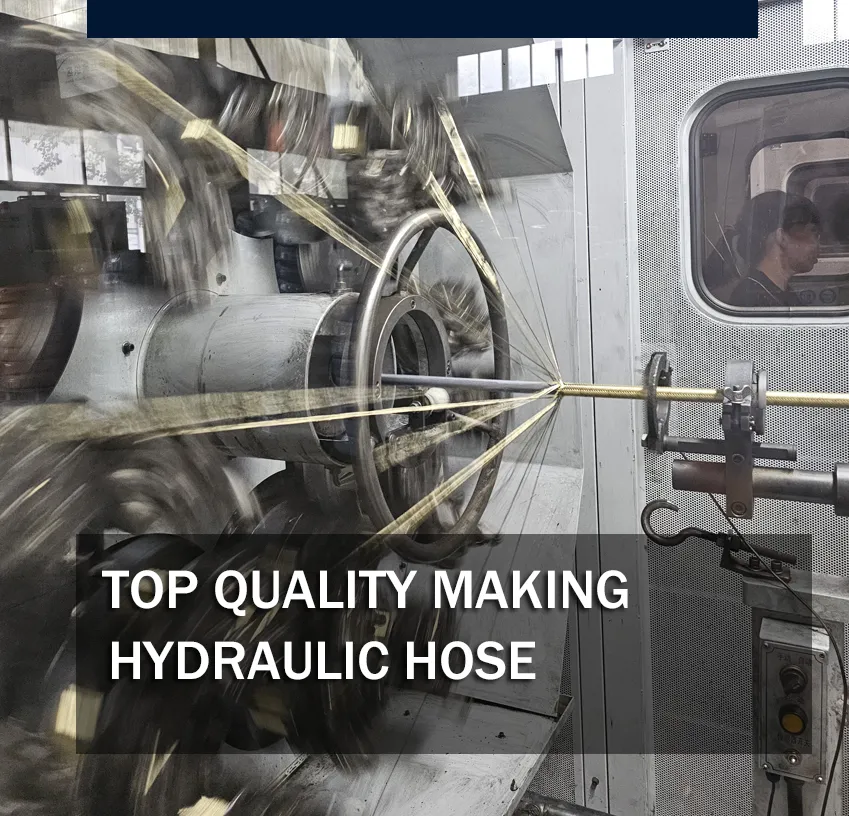
Hydraulic hoses are constructed from multiple layers, each contributing to specific performance characteristics. The inner tube, typically made of synthetic rubber like nitrile (NBR), chloroprene (CR), or fluorocarbon (FKM – Viton), provides fluid resistance. NBR offers excellent resistance to petroleum-based fluids, while CR is suitable for moderate oil resistance and weathering. FKM provides superior resistance to high temperatures and aggressive chemicals, but at a higher cost. Reinforcement layers, traditionally made of high-tensile steel wire, provide pressure resistance. Spiral-wound reinforcement is common for high-pressure applications, while braided reinforcement is used for moderate pressures. The outer cover, usually a synthetic rubber like polyurethane or polyester, protects the reinforcement layers from abrasion, weathering, and chemical exposure. Manufacturing processes include extrusion for the inner tube and cover, followed by winding or braiding of the reinforcement. Critical parameters include extrusion temperature, wire tension during winding/braiding, and vulcanization time and temperature to ensure proper bonding between layers. Raw material traceability is crucial for CE certification, requiring certificates of conformity from suppliers confirming compliance with REACH and RoHS directives (Restriction of Hazardous Substances).
Performance & Engineering
Hydraulic hose performance is governed by several engineering principles. Burst pressure, a critical safety parameter, represents the pressure at which the hose will rupture. Working pressure is typically rated at 75% of the burst pressure, providing a safety factor. Finite Element Analysis (FEA) is employed to simulate stress distribution within the hose under pressure, guiding material selection and reinforcement design. Fatigue life is another critical consideration, as hoses are subjected to cyclical pressure fluctuations. Hose ends are frequently crimped onto the hose using specialized machinery. The quality of the crimp is paramount, as a faulty crimp can lead to leakage or hose failure. Engineering standards dictate specific crimp dimensions and torque specifications. Environmental resistance includes factors like ozone cracking, UV degradation, and resistance to oil and chemical spills. CE certification requires adherence to standards like ISO 6897 (hydraulic hose crimped assemblies) and EN 856 (steel wire for the reinforcement of rubber hoses). Compliance testing involves burst pressure testing, impulse testing (simulating pressure pulsations), and temperature cycling. The design must accommodate thermal expansion and contraction to prevent stress concentration.
Technical Specifications
| Parameter | Unit | Standard Specification (EN 856) | Typical Value (DN13, 2SN) |
|---|---|---|---|
| Working Pressure | MPa | EN 856:2009 - Varies by Series | 20 |
| Burst Pressure | MPa | ≥ 4 x Working Pressure | 80 |
| Temperature Range | °C | -40 to +100 (NBR), -30 to +120 (CR) | -40 to +100 |
| Inner Tube Material | - | NBR, CR, FKM | NBR |
| Reinforcement Material | - | Steel Wire (Spiral or Braided) | 2 layers of Spiral Steel Wire |
| Outer Cover Material | - | Polyurethane, Polyester | Polyurethane |
Failure Mode & Maintenance
Hydraulic hose failure can occur due to several mechanisms. Fatigue cracking is common in applications with cyclical pressure, initiated by microscopic flaws in the reinforcement or at the hose ends. Abrasion can damage the outer cover, exposing the reinforcement to corrosion. Pinholes in the inner tube can result from chemical attack or damage from internal contaminants. Kink failure occurs when the hose is bent beyond its minimum bend radius, causing internal damage. Improper crimping can lead to leakage or hose end separation. Oxidation and UV degradation can embrittle the outer cover. Maintenance practices include regular visual inspections for abrasion, cracking, and leakage. Hoses should be replaced if any damage is detected. The bend radius should be observed during installation to prevent kinking. Fluid cleanliness is crucial; contamination can accelerate wear and tear. Periodic pressure testing can help identify potential weaknesses before catastrophic failure. Proper storage conditions (cool, dry, and away from direct sunlight) are essential to prevent degradation. Maintaining records of hose replacements and maintenance activities is a best practice.
Industry FAQ
Q: What specific documentation is required for CE marking of hydraulic hoses?
A: CE marking requires a technical file demonstrating compliance with relevant directives. This includes a detailed design description, material specifications (with certificates of conformity for REACH and RoHS compliance), manufacturing process validation, test reports (burst pressure, impulse, temperature cycling), and a Declaration of Conformity signed by an authorized representative.
Q: How does the choice of inner tube material affect CE certification?
A: The inner tube material must be compatible with the hydraulic fluid used in the system and must meet the requirements of REACH and RoHS directives. FKM, while offering superior chemical resistance, may require more extensive testing to demonstrate compliance with substance restrictions.
Q: What are the implications of EN 856 revisions on existing hose certifications?
A: EN 856 is periodically revised. Exporters must ensure their hoses comply with the latest version of the standard. A re-certification process may be required if significant changes have been made to the standard, potentially impacting previously certified products.
Q: How does the crimping process affect hose safety and CE compliance?
A: The crimping process is critical. Incorrect crimp dimensions or insufficient crimp force can lead to leakage or hose end separation, resulting in failure. CE compliance requires validated crimping procedures and regular quality control checks, including dimensional measurements and pull tests.
Q: What are the common non-conformities identified during CE certification audits for hydraulic hoses?
A: Common non-conformities include inadequate documentation (missing test reports or material certificates), non-compliance with REACH/RoHS requirements, insufficient quality control procedures for the crimping process, and failure to adequately assess the impact of material changes on hose performance.
Conclusion
CE certification for hydraulic hose exporters is a multifaceted process demanding meticulous attention to material science, manufacturing controls, and rigorous testing. Compliance ensures not only market access to the European Union but also demonstrates a commitment to product safety and reliability. Understanding the nuances of standards like EN 856 and ISO 6897, coupled with robust quality management systems, is paramount for successful export operations.
Moving forward, the hydraulic hose industry will likely see increased emphasis on sustainable materials and manufacturing processes. Furthermore, advancements in sensor technology and data analytics will enable predictive maintenance and improve hose lifespan. Continuous improvement in design, materials, and testing methodologies will be essential to meet the evolving demands of this critical industrial sector.