


ce certification high impulse hydraulic hose factory Performance Analysis
Introduction
High impulse hydraulic hoses are critical components in hydraulic systems, designed to transmit fluid power under high pressure and frequent pressure fluctuations. This guide details the manufacturing, performance, and CE certification requirements for these hoses, specifically focusing on hoses designed for applications demanding superior impulse resistance. The industrial chain positions these hoses between raw material suppliers (rubber, steel, synthetic fibers) and end-users in industries like construction, agriculture, mining, and manufacturing. Core performance is defined by burst pressure, working pressure, impulse capacity (number of cycles to failure under pressure pulsation), and fluid compatibility. The escalating demands for safety, reliability, and longevity within hydraulic systems drive the need for rigorous testing and adherence to international standards, making CE certification paramount for market access within the European Economic Area and influencing global best practices. Understanding the intricacies of hose construction, material properties, and testing protocols is crucial for procurement professionals, engineers, and quality control personnel.
Material Science & Manufacturing
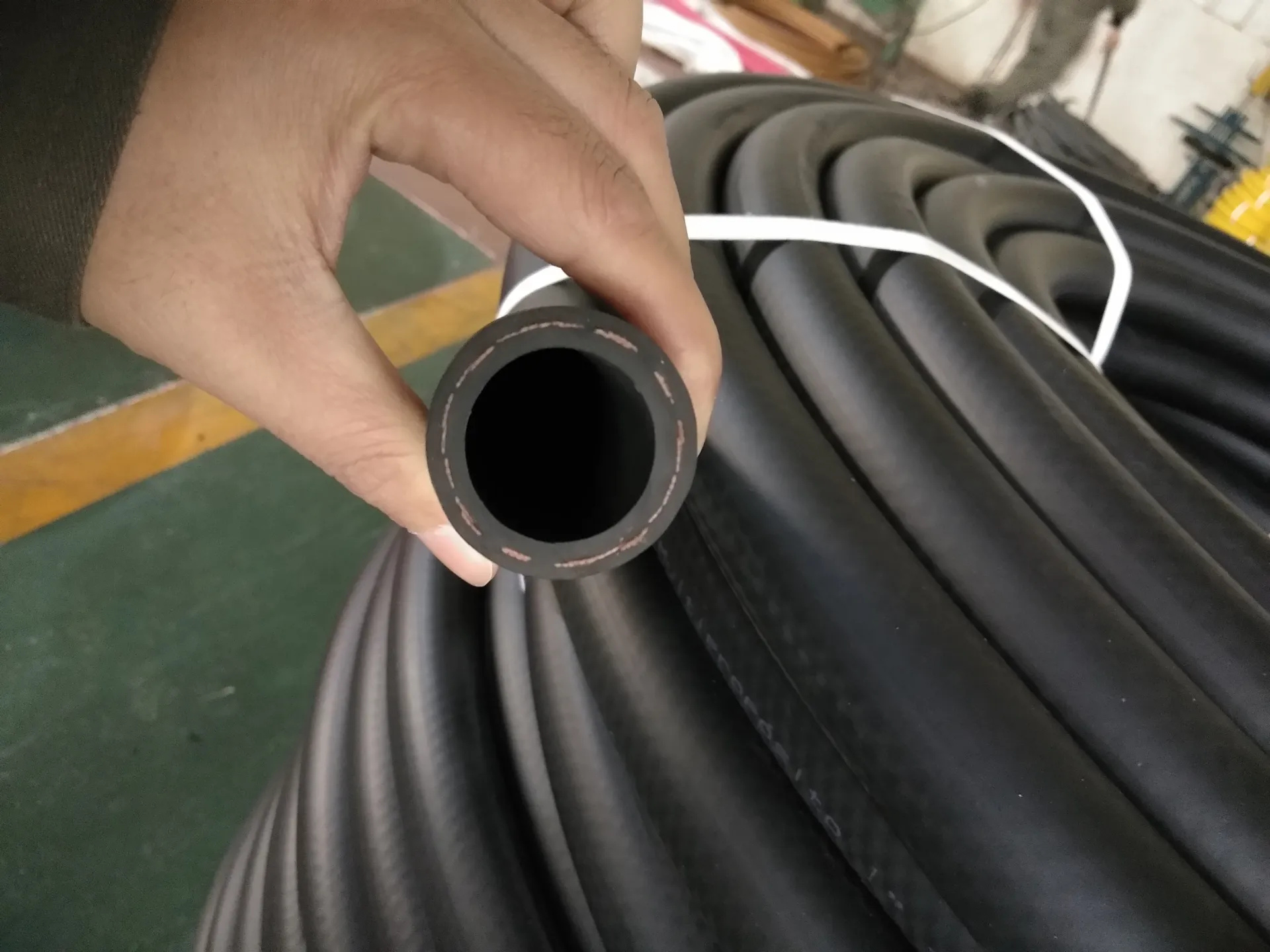
High impulse hydraulic hoses typically consist of an inner tube, reinforcement layers, and an outer cover. The inner tube is commonly constructed from nitrile rubber (NBR) or ethylene propylene diene monomer (EPDM) rubber, chosen for their compatibility with hydraulic fluids and resistance to abrasion. NBR offers excellent resistance to petroleum-based fluids, while EPDM excels in phosphate ester-based fluid applications. Reinforcement layers provide the strength to withstand high pressures and impulse loads. These layers are traditionally composed of multiple braids of high-tensile steel wire, often spirally wound. The number and construction of the steel wire layers directly correlate to the hose’s pressure and impulse rating. The outer cover is generally made from a synthetic rubber compound, such as chloroprene rubber (CR), providing abrasion, ozone, and weathering resistance. Manufacturing processes involve extrusion of the inner tube and outer cover, followed by precise winding of the reinforcement layers. Critical parameter control includes maintaining consistent rubber compound formulations (viscosity, hardness, filler content), accurate wire tension during braiding, and precise vulcanization temperatures and times. Vulcanization is essential to crosslink the rubber polymers, imparting the desired mechanical properties. Post-production quality control includes dimensional checks, pressure testing, and impulse testing according to established standards. Specialized manufacturing techniques, such as pre-stressing of the reinforcement layers, are employed to enhance impulse performance. Chemical compatibility testing between the hose materials and target hydraulic fluids is a non-negotiable step in ensuring long-term reliability.
Performance & Engineering
The performance of a high impulse hydraulic hose is governed by several key engineering principles. Force analysis focuses on hoop stress in the hose wall due to internal pressure and dynamic stresses generated by pressure pulsations. Fatigue analysis is crucial for predicting the hose’s lifespan under cyclical loading. Finite Element Analysis (FEA) is frequently used to model the stress distribution within the hose structure and optimize the reinforcement layer design. Environmental resistance is also critical; hoses must withstand exposure to temperature extremes, UV radiation, and corrosive substances. The degradation of rubber compounds due to oxidation and hydrolysis must be considered. Compliance requirements dictate the need for hoses to meet specific performance criteria outlined in industry standards (see section 7). Functional implementation demands careful consideration of hose routing, bend radius, and fitting selection. Excessive bending or sharp turns can induce localized stresses, leading to premature failure. Proper fitting selection ensures a secure and leak-proof connection. The hose’s compatibility with the hydraulic fluid is paramount, as incompatibility can cause swelling, softening, or cracking of the inner tube. Furthermore, the hose must be capable of handling the fluid's viscosity and temperature range without significant performance degradation. Impulse testing, conducted using standardized pulse waveforms, simulates the dynamic loading conditions encountered in real-world applications and assesses the hose's resistance to fatigue failure.
Technical Specifications
| Parameter | Unit | Typical Value (DN20 Hose) | Testing Standard |
|---|---|---|---|
| Working Pressure | MPa | 31.5 | ISO 6200 |
| Burst Pressure | MPa | 105 | ISO 3765 |
| Impulse Cycles (R2AT) | Cycles | 200,000 | SAE J30R2 |
| Temperature Range | °C | -40 to +100 | ISO 6200 |
| Inner Tube Material | - | NBR | ISO 1629 |
| Reinforcement | - | 2 Spiral Steel Wire | ISO 6200 |
| Outer Cover Material | - | CR | ISO 6200 |
Failure Mode & Maintenance
Common failure modes in high impulse hydraulic hoses include fatigue cracking, burst failure, and degradation of the rubber compounds. Fatigue cracking typically initiates at stress concentration points, such as near fittings or due to internal flaws in the reinforcement layers. Burst failure occurs when the internal pressure exceeds the hose’s burst pressure rating. Degradation of the rubber compounds can result from exposure to excessive temperatures, UV radiation, or incompatible hydraulic fluids. Oxidation and hydrolysis are also common degradation mechanisms. Delamination of the reinforcement layers can occur due to inadequate bonding between layers. Failure analysis often involves microscopic examination of the fractured surface to identify the root cause of failure. Preventive maintenance is crucial for extending the hose’s lifespan. Regular visual inspections should be conducted to check for signs of wear, abrasion, or cracking. Fittings should be inspected for leaks or corrosion. Hoses should be replaced at recommended intervals or when signs of deterioration are observed. Proper storage conditions (cool, dry, and away from direct sunlight) can help prevent premature degradation. Hydraulic fluid should be regularly analyzed to ensure its compatibility with the hose materials and to detect contamination. Incorrect installation, such as over-tightening fittings, can also contribute to premature failure. Proper hose routing and bend radius control are vital to preventing stress-induced failures.
Industry FAQ
Q: What is the significance of the "R2AT" designation in relation to impulse testing?
A: The “R2AT” designation, as per SAE J30R2, signifies a hydraulic hose capable of withstanding a severe impulse test. This test involves subjecting the hose to repeated pressure pulsations at twice the working pressure for a minimum of 200,000 cycles without failure. It's a critical indicator of the hose’s durability in applications with significant pressure fluctuations, commonly found in construction and agricultural machinery.
Q: How does CE certification ensure the safety and reliability of a high impulse hydraulic hose?
A: CE certification demonstrates that the hose complies with the essential health and safety requirements of the European Union. This involves rigorous testing to verify that the hose meets specified performance criteria (pressure, impulse, temperature) and that its design minimizes risks of failure. The certification process typically involves assessment by a notified body and ongoing quality control audits.
Q: What are the key differences between NBR and EPDM inner tube materials?
A: NBR (Nitrile Butadiene Rubber) is primarily resistant to petroleum-based hydraulic fluids, offering excellent abrasion resistance. EPDM (Ethylene Propylene Diene Monomer) provides superior resistance to phosphate ester fluids, ozone, weathering and heat. The choice depends on the specific hydraulic fluid used in the application. Using the wrong material can lead to rapid hose degradation and failure.
Q: What is the impact of improper fitting selection on hose performance?
A: Incorrectly sized or poorly crimped fittings can create stress concentration points, leading to premature failure. Fittings must be compatible with the hose material and rated for the same working pressure. Over-tightening can damage the hose reinforcement, while under-tightening can lead to leaks. Proper fitting selection and installation are critical for maintaining the hose’s integrity.
Q: How often should high impulse hydraulic hoses be inspected and replaced?
A: Inspection frequency depends on the severity of the application and operating conditions. However, a visual inspection should be performed at least monthly, looking for cracks, abrasion, leaks, or other signs of damage. Hoses operating in harsh environments or subject to high impulse loads should be inspected more frequently. Replacement should occur when any damage is detected or at the manufacturer’s recommended service life, even if no visible damage is present.
Conclusion
High impulse hydraulic hoses are essential for reliable fluid power transmission in demanding applications. Their performance is dictated by a complex interplay of material science, manufacturing processes, and engineering design. CE certification provides a critical assurance of safety and compliance with industry standards. Understanding the potential failure modes and implementing a robust preventative maintenance program are vital for maximizing hose lifespan and minimizing downtime.
The continuing evolution of hydraulic systems demands advancements in hose technology, including the development of new materials with improved impulse resistance and durability. Future trends are focused on lightweight hose constructions, enhanced fluid compatibility, and smart hose monitoring systems that can predict failures before they occur. The rigorous adherence to established standards and the implementation of best practices in manufacturing and maintenance will remain paramount in ensuring the long-term reliability of high impulse hydraulic hoses.