


ce certification heavy machinery used hoses pricelist Performance Analysis

Introduction
Hydraulic hoses used in heavy machinery are critical components for safe and efficient operation, transmitting fluid power to actuators and motors. The CE marking, as mandated by the European Union, signifies that these hoses conform to stringent health, safety, and environmental protection standards. This guide details the technical aspects of CE certification for heavy machinery hoses, focusing on material science, manufacturing, performance parameters, failure modes, and relevant industry standards. The demand for robust and reliable hoses is driven by the increasing complexity of hydraulic systems in sectors like construction, agriculture, mining, and manufacturing. A core industry pain point is ensuring consistent product quality and traceability to meet CE requirements and mitigate the risks associated with hose failure – including equipment downtime, environmental contamination, and operator injury. This document aims to provide a comprehensive understanding of the key considerations for procuring and utilizing CE-certified hydraulic hoses.
Material Science & Manufacturing
Heavy machinery hydraulic hoses are typically constructed from multiple layers, each contributing to specific performance characteristics. The inner tube is commonly composed of synthetic rubbers such as Nitrile (NBR), Ethylene Propylene Diene Monomer (EPDM), or Fluorocarbon (FKM/Viton), selected for their compatibility with hydraulic fluids, temperature resistance, and abrasion resistance. NBR offers good general-purpose resistance to petroleum-based fluids, while EPDM excels in phosphate ester fluid compatibility and high-temperature applications. FKM provides superior resistance to aggressive chemicals and extreme temperatures but is more expensive. Reinforcement layers, providing strength and pressure resistance, consist of multiple plies of high-tensile steel wire or synthetic fiber braids (e.g., polyester, aramid). The number and orientation of these layers dictate the hose’s working pressure capability. The outer cover is typically made of Chloroprene (CR) or Polyurethane (PU), providing protection against abrasion, ozone, weathering, and oil. Manufacturing processes include extrusion for the inner tube and cover, calendaring for reinforcement layers, and spiral wrapping or braiding for reinforcement application. Critical parameter control during manufacturing includes precise temperature regulation during extrusion to ensure consistent rubber vulcanization, accurate wire tension control during braiding to maintain pressure ratings, and thorough quality control checks for dimensional accuracy and material defects. Adherence to ISO 6807 (hydraulic hose assembly) and ISO 14307 (hose testing) is paramount during the manufacturing process.
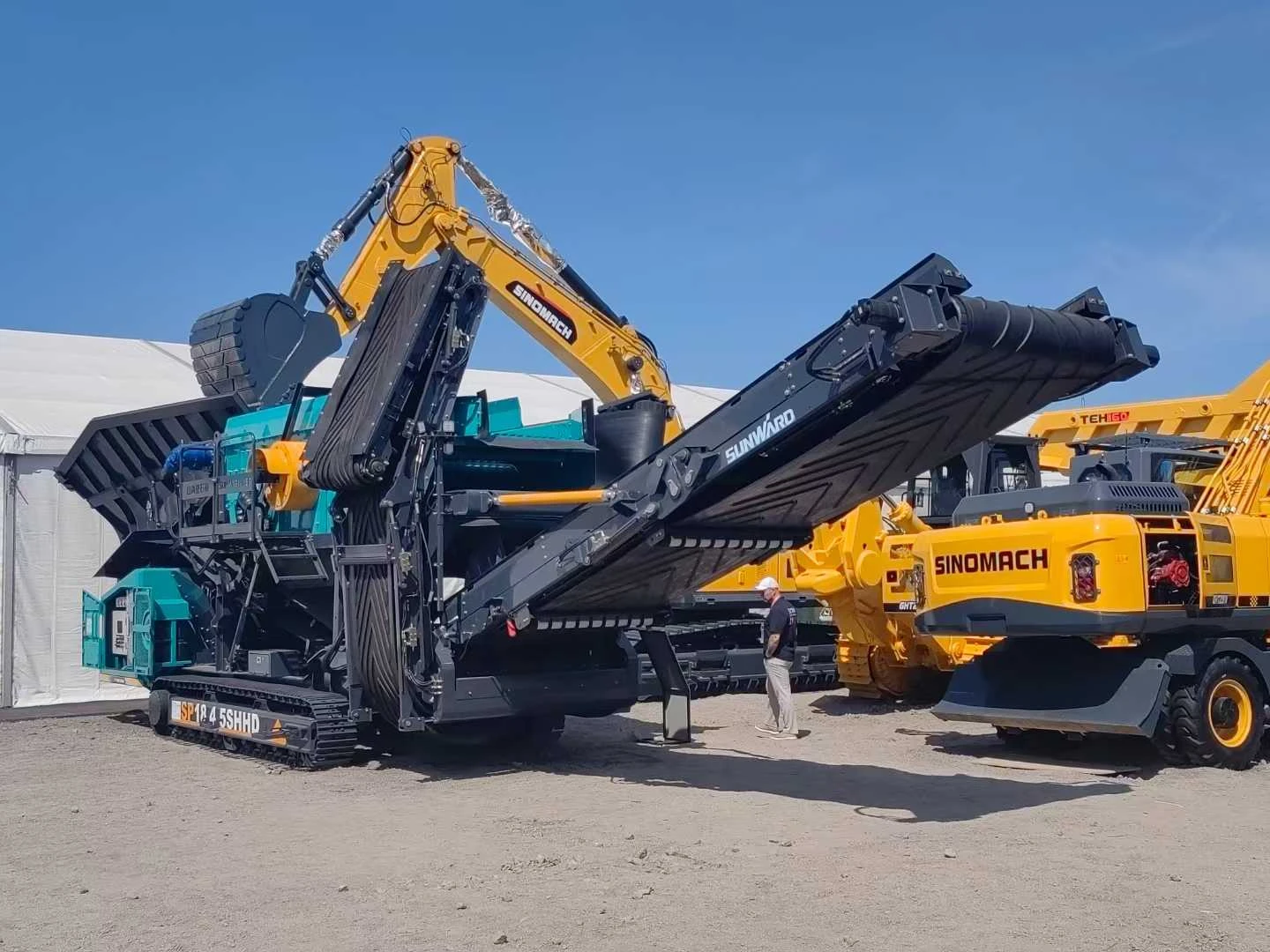
Performance & Engineering
The performance of hydraulic hoses is governed by several engineering principles. Burst pressure, working pressure, and safety factor are crucial parameters. Burst pressure represents the pressure at which the hose fails catastrophically, while working pressure is the maximum allowable operating pressure, typically derived as a fraction of the burst pressure (e.g., 1/4 safety factor). Hose flex radius is critical to prevent kinking and premature failure. Excessive bending stresses concentrate at the inner radius, leading to fatigue cracking. Force analysis must consider tensile loads, bending moments, and internal pressure forces. Environmental resistance, including temperature extremes, UV exposure, and chemical compatibility, significantly impacts hose lifespan. Hoses operating in high-temperature environments may experience rubber degradation and reduced pressure ratings. Exposure to corrosive chemicals can cause swelling, cracking, or permeation. Compliance requirements, specifically EN 856 (steel wire reinforced hydraulic hoses) and ISO 18754 (non-metallic reinforced hydraulic hoses), dictate performance standards for pressure ratings, impulse testing, and environmental resistance. Functional implementation considerations include proper hose assembly techniques (crimping, swaging), the selection of compatible fittings, and the use of guard sleeves to protect against abrasion and impact.
Technical Specifications
| Parameter | Unit | EN 856 R12 (Typical) | SAE 100R12 (Typical) |
|---|---|---|---|
| Working Pressure | MPa | 31.5 | 30 |
| Burst Pressure | MPa | 126 | 120 |
| Temperature Range | °C | -40 to +100 | -40 to +100 |
| Reinforcement | - | 6 spiral high-tensile steel wire | 6 spiral high-tensile steel wire |
| Inner Tube | - | Synthetic Rubber (NBR) | Synthetic Rubber (NBR) |
| Outer Cover | - | Synthetic Rubber (CR) | Synthetic Rubber (CR) |
Failure Mode & Maintenance
Hydraulic hose failure can manifest in several ways. Fatigue cracking, resulting from repeated flexing and pressure cycles, is a common failure mode, often initiating at the inner tube/reinforcement interface. Delamination, the separation of reinforcement layers, reduces pressure capacity and can lead to catastrophic failure. Abrasion and impact damage to the outer cover can expose the reinforcement layers to corrosion and accelerate fatigue. Oxidation and chemical degradation of the rubber components lead to loss of flexibility and increased susceptibility to cracking. Improper hose assembly (incorrect crimp dimensions, damaged fittings) is a significant contributor to premature failure. Maintenance solutions include regular visual inspections for cracks, abrasion, and leaks. Pressure testing should be conducted periodically to verify hose integrity. Hose routing should be designed to minimize bending stress and protect against abrasion. Fluid contamination (particulate matter, water) can accelerate hose degradation, necessitating the use of appropriate filtration systems. Proper storage conditions (cool, dry, away from direct sunlight) are essential to prevent premature aging. Records of hose installation, inspection, and replacement should be maintained for traceability and performance analysis.
Industry FAQ
Q: What is the significance of the CE marking on a hydraulic hose, and what specific directives does it cover?
A: The CE marking indicates conformity with the relevant European Union directives, primarily the Machinery Directive 2006/42/EC. This directive ensures that machinery, including components like hydraulic hoses, are designed and manufactured to minimize risks to health and safety. CE marking requires documentation demonstrating compliance with harmonized standards (e.g., EN 856, EN ISO 4413) or equivalent risk assessment procedures. It essentially allows for free trade within the European Economic Area.
Q: How does the choice of inner tube material impact the hose’s performance in different hydraulic fluid applications?
A: The inner tube material must be compatible with the hydraulic fluid to prevent swelling, degradation, or permeation. NBR is suitable for mineral oils, but not for phosphate ester fluids. EPDM is the preferred choice for phosphate ester fluids and offers good resistance to water. FKM provides the broadest chemical compatibility, including resistance to aggressive fluids and high temperatures, but at a higher cost. Incorrect material selection can lead to premature hose failure and system contamination.
Q: What are the key differences between single-wire and multi-wire reinforced hoses, and when would you choose one over the other?
A: Single-wire hoses (typically EN 853) are designed for lower pressure applications and offer greater flexibility. Multi-wire hoses (EN 856) provide significantly higher pressure ratings and greater burst strength due to the increased reinforcement. Choose single-wire hoses for applications with lower operating pressures and tight bend radii. Opt for multi-wire hoses for high-pressure systems, demanding applications, and where abrasion resistance is critical.
Q: What role do hose fittings play in ensuring the overall integrity of a hydraulic system, and what are best practices for fitting selection and installation?
A: Hose fittings are integral to the system’s reliability. Incorrectly sized or mismatched fittings can lead to leaks, pressure loss, and catastrophic failure. Fittings must be rated for the hose’s working pressure and compatible with the fluid. Best practices include using properly crimped or swaged fittings, ensuring clean mating surfaces, and applying thread sealant where appropriate. Regular inspection of fittings for corrosion and damage is also crucial.
Q: What are the common causes of hose kinking, and how can it be prevented?
A: Hose kinking occurs when the hose is bent beyond its minimum bend radius, causing the inner tube to collapse and restrict flow. Common causes include improper hose routing, insufficient support, and excessive bending stresses. Prevention measures include designing hose routing to avoid sharp bends, using hose guards or supports to maintain the minimum bend radius, and selecting hoses with more flexible constructions for tight spaces.
Conclusion
CE certification of heavy machinery hydraulic hoses is a multi-faceted process that demands meticulous attention to material selection, manufacturing processes, and performance testing. Compliance with relevant standards such as EN 856 and ISO standards ensures that these critical components meet stringent safety and environmental requirements. By understanding the underlying principles of hose design, failure modes, and proper maintenance procedures, engineers and procurement professionals can minimize the risk of costly downtime, environmental damage, and operator injury.
The future of hydraulic hose technology is focused on developing lighter-weight, more durable materials with enhanced chemical and temperature resistance. Furthermore, advancements in hose monitoring and diagnostic systems will enable predictive maintenance, optimizing performance and extending hose lifespan. Continuous improvement in manufacturing processes and adherence to evolving industry standards will remain crucial for ensuring the ongoing safety and reliability of hydraulic systems.