


ce certification din20023 hydraulic hose products Performance Analysis

Introduction
DIN 20023 specifies requirements for high-pressure hydraulic hoses, primarily targeting mobile hydraulic applications, industrial machinery, and agricultural equipment. CE certification for these hoses signifies compliance with relevant European Union health, safety, and environmental protection standards. These hoses are critical components in fluid power systems, responsible for transmitting hydraulic fluid under high pressure to actuators and other components. Their performance directly impacts system efficiency, reliability, and safety. A key pain point in the industry revolves around consistent material quality, particularly the synthetic rubber compounds used, and maintaining burst pressures under varying temperature and operational conditions. This guide provides a detailed examination of DIN 20023 hoses, covering material science, manufacturing processes, performance characteristics, failure modes, and relevant international standards, aimed at engineers, procurement managers, and quality control personnel.
Material Science & Manufacturing
DIN 20023 hydraulic hoses are typically constructed from multiple layers. The inner tube, in direct contact with the hydraulic fluid, is commonly made from synthetic rubbers like nitrile rubber (NBR), ethylene-propylene diene monomer (EPDM), or fluorocarbon rubber (FKM/Viton) depending on fluid compatibility requirements. NBR offers good resistance to petroleum-based fluids, while EPDM excels in phosphate ester fluids. FKM provides superior resistance to aggressive chemicals and high temperatures. Reinforcement layers typically consist of high-tensile steel wire braids, spirally wound steel wire, or a combination of both. The number of layers and wire diameter directly influence the hose's working and burst pressures. An outer cover, usually made from chloroprene rubber (CR), provides abrasion, ozone, and weathering resistance. Manufacturing involves extrusion of the inner tube and outer cover, followed by the application of reinforcement layers through braiding or winding processes. Vulcanization, a chemical process involving heat and pressure, is crucial for cross-linking the rubber compounds, imparting strength, elasticity, and chemical resistance. Key parameter controls during manufacturing include maintaining precise rubber compound formulations, ensuring consistent wire tension during braiding/winding, and controlling vulcanization time and temperature. Improper vulcanization can lead to under-cured rubber with low tensile strength or over-cured rubber with brittleness. Dimensional accuracy, especially inner diameter and outer diameter, is critically monitored to ensure proper fitting within hydraulic systems.
Performance & Engineering
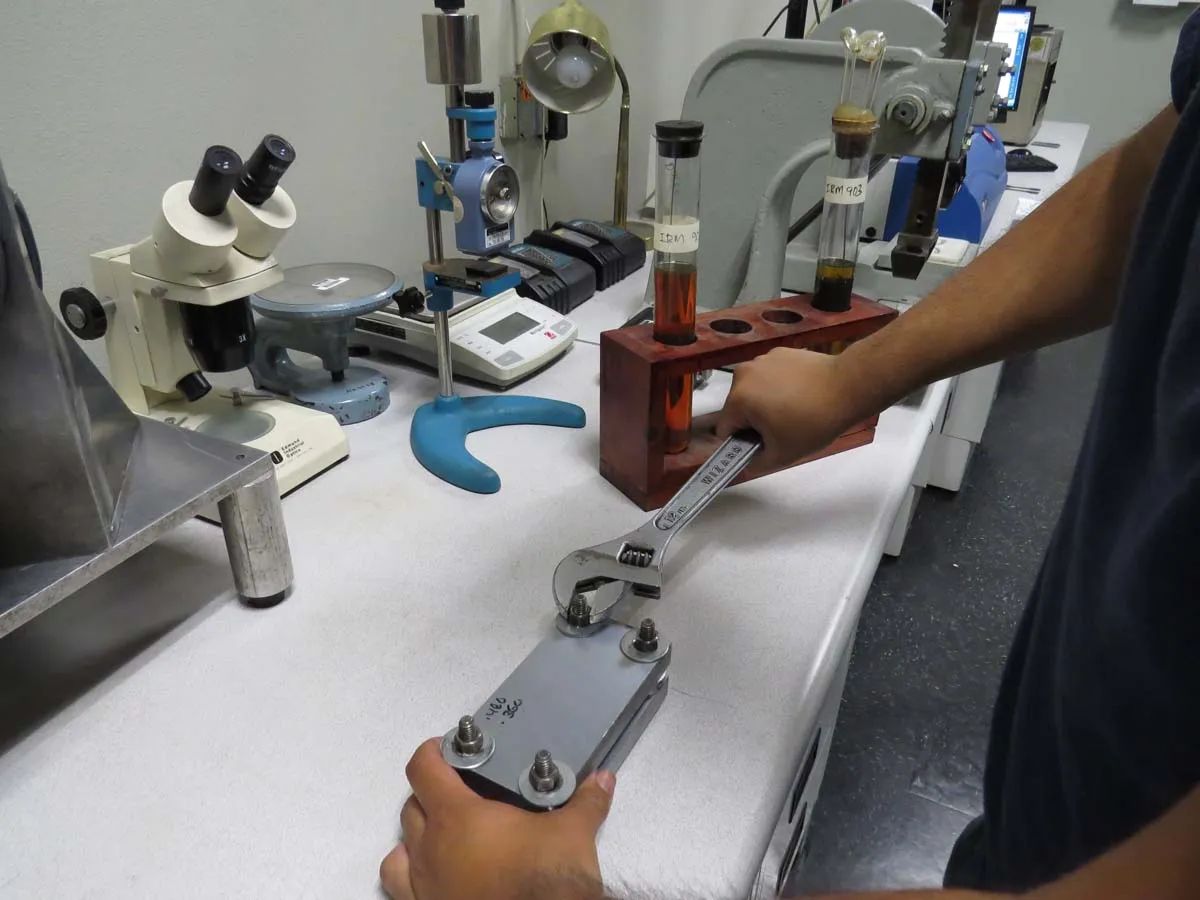
The performance of DIN 20023 hoses is governed by several key engineering principles. Burst pressure, the maximum pressure the hose can withstand before failure, is a critical safety parameter. This is determined by the reinforcement layer's strength and the rubber compounds' tensile properties. Working pressure, typically specified as a fraction of the burst pressure (often 1/4), represents the maximum recommended operating pressure. Hose flexibility, or bend radius, is essential for installation in confined spaces. Too tight a bend radius can cause kinking and localized stress concentrations, leading to premature failure. Impulse pressure resistance, the hose’s ability to withstand pressure pulsations without fatigue damage, is particularly important in applications like hydraulic hammers. The hose’s construction and materials must be able to absorb energy and dampen pressure waves. Environmental resistance, including resistance to ozone, UV radiation, and temperature extremes, is crucial for long-term reliability. Hydraulic fluids can also degrade rubber compounds over time, necessitating fluid compatibility assessments. CE certification requires adherence to pressure equipment directive (PED) 2014/68/EU, ensuring a documented design review, material traceability, and rigorous testing to demonstrate compliance with specified performance criteria. Force analysis during operation involves consideration of internal pressure forces, external bending moments, and axial loads. Finite element analysis (FEA) is often used to model stress distributions and optimize hose design.
Technical Specifications
| Parameter | Unit | DIN 20023 Specification (Typical) | Testing Standard |
|---|---|---|---|
| Working Pressure | MPa | 31.5 - 400 | ISO 6049 |
| Burst Pressure | MPa | 126 - 1600 | ISO 3765 |
| Temperature Range | °C | -40 to +100 (NBR); -30 to +120 (EPDM) | ISO 6049 |
| Minimum Bend Radius | mm | 4D - 10D (D = outer diameter) | Manufacturer’s specification |
| Tensile Strength (Reinforcement) | MPa | >2000 | ISO 1043 |
| Fluid Compatibility | - | Dependent on Inner Tube Material (NBR, EPDM, FKM) | DIN 73725 |
Failure Mode & Maintenance
Common failure modes in DIN 20023 hydraulic hoses include burst failure due to exceeding working pressure, fatigue cracking from repeated pressure cycles, pinhole leaks from abrasion or chemical attack, and hose kinking from excessive bending. Burst failure often originates at flaws in the reinforcement layer or defects in the rubber compounds. Fatigue cracking typically initiates at stress concentrations, such as near fittings or at bend points. Pinholes can occur due to abrasion from rubbing against other components or from degradation caused by incompatible fluids. Oxidation of the rubber compounds can lead to hardening and cracking over time, particularly in high-temperature environments. Failure analysis often involves microscopic examination of the fracture surface to identify the root cause. Maintenance recommendations include regular visual inspection for signs of wear, damage, or leaks. Hoses should be replaced if they exhibit any signs of degradation or if they have been subjected to overpressure or excessive bending. Proper routing and support are essential to prevent abrasion and kinking. Fluid filtration is critical to remove contaminants that can accelerate wear. Avoid exposure to ozone and UV radiation whenever possible. Regularly check fittings for tightness and corrosion.
Industry FAQ
Q: What is the significance of the ‘DN’ designation within the DIN 20023 standard, and how does it relate to hose sizing?
A: The ‘DN’ designation refers to the nominal diameter, representing the inner diameter of the hose in millimeters. It's a standardized sizing system used across Europe. Selecting the correct DN size is crucial for maintaining proper flow rates and minimizing pressure drop within the hydraulic system. An undersized hose will restrict flow and increase pressure drop, while an oversized hose may introduce excessive slack and potential for damage.
Q: How does the selection of inner tube material impact the lifespan and performance of a DIN 20023 hose in different hydraulic fluid environments?
A: Inner tube material selection is paramount. NBR is generally suitable for petroleum-based fluids, but can degrade in phosphate ester fluids. EPDM is excellent for phosphate esters but may not be compatible with some mineral oils. FKM offers the broadest compatibility, resisting aggressive chemicals and high temperatures, but is significantly more expensive. Incorrect material selection leads to swelling, hardening, or cracking, reducing hose life and potentially causing failure.
Q: What are the critical considerations when selecting a hose reinforcement type (wire braid vs. spiral) for a specific application?
A: Wire braid reinforcement provides excellent flexibility and is suitable for applications with moderate pressure and bending requirements. Spiral reinforcement offers higher pressure ratings and better kink resistance, making it ideal for high-pressure, high-impulse applications. Spiral hoses are typically less flexible than braided hoses. The decision depends on the specific pressure, temperature, and bending demands of the system.
Q: What documentation is typically required to demonstrate CE compliance for DIN 20023 hydraulic hoses?
A: CE compliance documentation includes a Declaration of Conformity, technical files detailing the design and manufacturing process, material test reports, and evidence of adherence to the Pressure Equipment Directive (PED) 2014/68/EU if applicable. This documentation must be readily available for inspection by regulatory authorities.
Q: What are the recommended practices for storing DIN 20023 hydraulic hoses to prevent degradation before installation?
A: Hoses should be stored in a cool, dry, and well-ventilated area, away from direct sunlight, ozone sources (e.g., electric motors), and extreme temperatures. They should be stored in a coiled position to avoid kinking and should be protected from physical damage. It is best to store them in their original packaging whenever possible.
Conclusion
DIN 20023 hydraulic hoses are essential components in numerous industrial applications, demanding careful consideration of material selection, manufacturing quality, and performance characteristics. CE certification serves as a critical benchmark for ensuring safety and reliability, guaranteeing adherence to stringent European standards. Understanding the potential failure modes and implementing appropriate maintenance practices are crucial for maximizing hose lifespan and preventing costly downtime.
Future developments in hydraulic hose technology are likely to focus on advanced materials with improved chemical resistance and temperature stability, as well as innovative designs for enhanced flexibility and kink resistance. Continued adherence to international standards and rigorous quality control measures will remain paramount for ensuring the long-term performance and safety of these critical components.