


ce certification annular metal hose suppliers Performance Analysis

Introduction
Annular metal hose, specifically those intended for applications requiring CE certification, represent a critical component in fluid transfer systems across numerous industries including hydraulic machinery, automotive, chemical processing, and aerospace. These hoses are distinguished by their construction – typically a corrugated metal inner core providing flexibility, coupled with braided reinforcement for pressure containment, and often protected by an outer covering. CE certification signifies conformity with European health, safety, and environmental protection standards, verifying the product’s design and manufacture meet stringent requirements for performance, durability, and operational safety. The technical challenge lies in balancing flexibility, pressure resistance, fatigue life, and corrosion resistance while adhering to a complex regulatory landscape. This guide provides an in-depth examination of annular metal hose construction, performance characteristics, failure modes, and the crucial elements of CE certification compliance, focusing on the core engineering and material science principles involved.
Material Science & Manufacturing
The core material for annular metal hose is typically 304 or 316L stainless steel, selected for its corrosion resistance, high tensile strength, and formability. However, other alloys such as Inconel, Hastelloy, and Monel are utilized for specialized applications requiring resistance to extreme temperatures or aggressive chemicals. The manufacturing process begins with the formation of the corrugated structure, commonly achieved through helical winding or ring-forming techniques. Helical winding involves wrapping a pre-cut strip of metal around a mandrel, creating a continuous spiral. Ring-forming utilizes a series of precisely positioned dies to progressively shape the metal strip into a corrugated profile. Key parameters controlled during corrugation include pitch, height, and wall thickness, all influencing the hose’s flexibility and pressure capacity. Following corrugation, the hose undergoes longitudinal welding to form a seamless tube. Welding techniques include TIG (Tungsten Inert Gas) welding, chosen for its precision and ability to produce high-quality, defect-free welds. Braiding, typically using stainless steel wire, provides reinforcement against internal pressure and axial load. Braid coverage (the percentage of the hose surface covered by the braid) is a critical parameter; higher coverage yields greater strength but reduces flexibility. The outer covering, often a braided metallic or polymeric jacket, provides abrasion resistance and environmental protection. Quality control at each stage, including non-destructive testing (NDT) such as radiographic inspection and liquid penetrant testing, is essential to ensure structural integrity and compliance with standards.
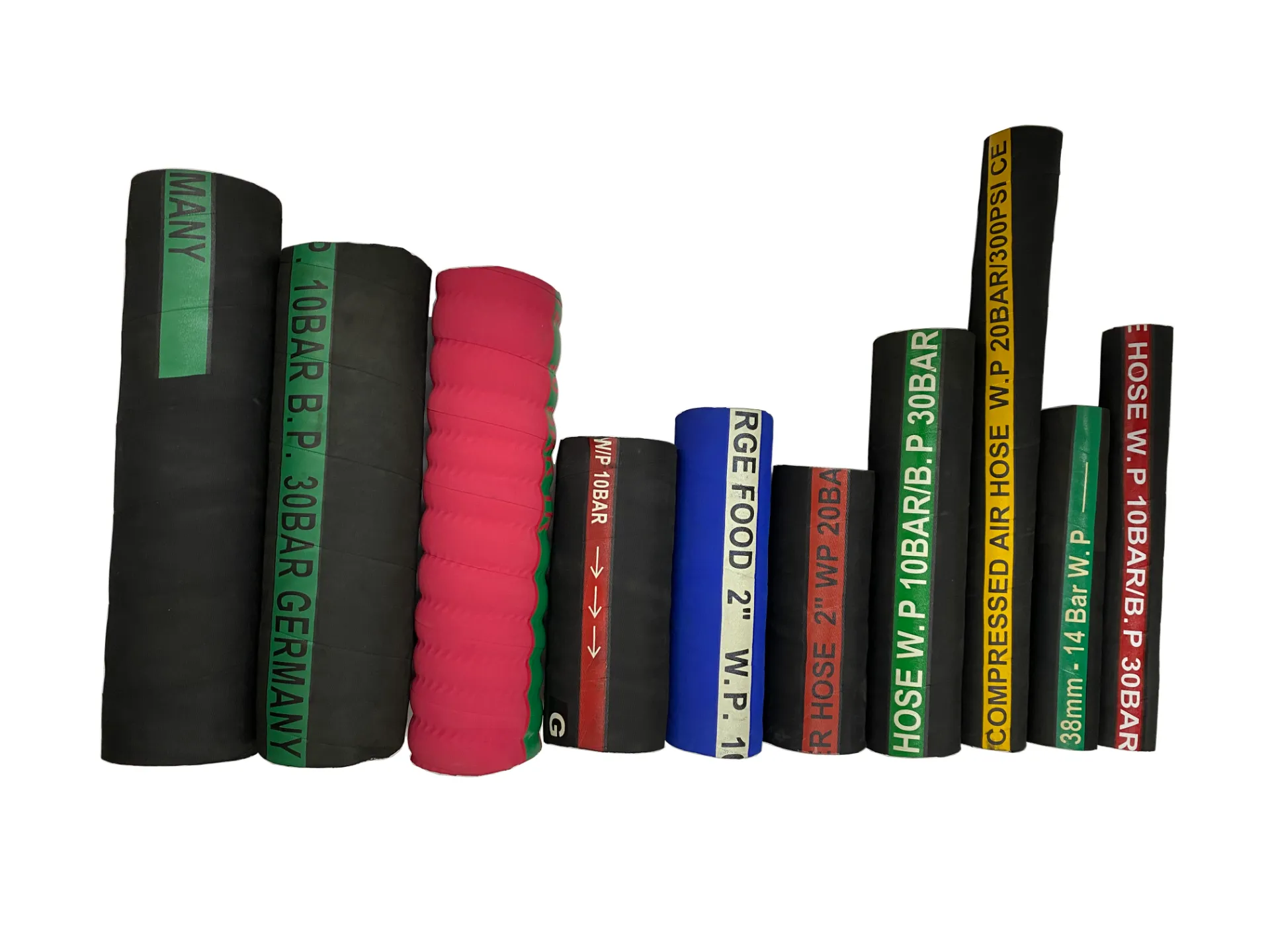
Performance & Engineering
Annular metal hose performance is governed by several key engineering principles. Burst pressure, the maximum pressure the hose can withstand before failure, is determined by the material strength, corrugation geometry, and braid coverage. Fatigue life, the number of pressure cycles the hose can endure before failure, is a critical consideration in dynamic applications. Fatigue performance is influenced by factors such as pressure amplitude, frequency, and temperature. Flexural fatigue, arising from repeated bending, is a significant failure mode, particularly in applications involving movement or vibration. Force analysis is essential to determine the bending radius and stress concentration points. Environmental resistance is paramount, with considerations for corrosion, oxidation, and UV degradation. Materials selection and protective coatings play a vital role in mitigating these effects. CE certification requirements dictate specific performance testing procedures, including pressure testing, impulse testing, and temperature cycling. Compliance also demands adherence to relevant safety standards concerning leakage, permeation, and material compatibility. Finite Element Analysis (FEA) is increasingly used to model hose behavior under various loading conditions, optimizing designs for performance and durability. The hose's ability to maintain its integrity under extreme temperatures, both high and low, is also a critical engineering consideration.
Technical Specifications
| Parameter | Unit | Typical Value (304 SS) | Typical Value (316L SS) |
|---|---|---|---|
| Working Pressure | MPa | 20 | 25 |
| Burst Pressure | MPa | 80 | 100 |
| Minimum Bending Radius | mm | 150 | 180 |
| Temperature Range | °C | -40 to +200 | -40 to +300 |
| Corrugation Pitch | mm | 12 | 12 |
| Braid Coverage | % | 70 | 75 |
Failure Mode & Maintenance
Common failure modes in annular metal hose include fatigue cracking, corrosion-induced failure, and damage from external abrasion or impact. Fatigue cracking typically initiates at stress concentration points, such as the crests of the corrugations or at weld seams. Corrosion, particularly in aggressive environments, can lead to pitting and intergranular corrosion, reducing the hose’s wall thickness and pressure resistance. External damage can compromise the hose’s integrity, leading to leaks or ruptures. Delamination of the outer covering can expose the braid to corrosion. Failure analysis often involves microscopic examination of fracture surfaces to identify the root cause of failure. Preventive maintenance is crucial for extending hose life. Regular visual inspections should be conducted to detect signs of corrosion, abrasion, or damage. Pressure testing can verify the hose’s integrity. Proper routing and support are essential to minimize bending stress and prevent chafing. Lubrication of mating connections can prevent galling and ensure leak-free operation. For applications involving aggressive chemicals, compatibility charts should be consulted to ensure the hose material is suitable. Replacement should occur at predetermined intervals, or when signs of degradation are observed, even if within the manufacturer’s specified service life.
Industry FAQ
Q: What are the primary differences in performance between 304 and 316L stainless steel annular metal hose, and when would 316L be the preferred choice?
A: 316L offers superior corrosion resistance due to the addition of molybdenum, making it the preferred choice for applications involving chlorides, sulfuric acid, or other aggressive chemicals. While 304 SS provides excellent general corrosion resistance, 316L maintains its integrity in harsher environments. 316L also exhibits improved resistance to pitting and crevice corrosion, extending its service life in demanding applications. The increased cost of 316L is justified when extended durability and reliability are critical.
Q: How does braid construction (coverage and material) impact the pressure rating and flexibility of the hose?
A: Higher braid coverage increases the hose’s pressure rating by providing greater reinforcement against internal pressure. However, it reduces flexibility, making it more difficult to bend and route. Braid material also plays a role; stainless steel is the most common choice for its strength and corrosion resistance, but other alloys can be used for specialized applications. The braid weave pattern can also affect flexibility and performance.
Q: What specific tests are required for CE certification of annular metal hose?
A: CE certification requires a comprehensive suite of tests, including hydrostatic pressure testing to verify burst pressure, impulse testing to assess fatigue life, leak testing to ensure leak-free performance, and material compatibility testing. Temperature cycling tests evaluate performance under varying temperature conditions. Documentation of material traceability and manufacturing processes is also crucial. Compliance with the Pressure Equipment Directive (PED) is often required depending on the hose’s intended application.
Q: How are the potential risks of fatigue failure minimized in high-cycle applications?
A: Minimizing fatigue failure involves careful material selection (choosing alloys with high fatigue strength), optimizing the hose geometry to reduce stress concentrations, controlling the amplitude and frequency of pressure cycles, and providing adequate support to minimize bending stress. Regular inspection for signs of cracking and implementing a preventative maintenance schedule are also essential.
Q: What are the common causes of corrosion failure and what preventative measures can be taken?
A: Corrosion can be caused by exposure to corrosive fluids, environmental factors (humidity, salt spray), and galvanic corrosion (contact with dissimilar metals). Preventative measures include selecting corrosion-resistant materials (316L, Inconel), applying protective coatings, using compatible fittings, and avoiding contact with dissimilar metals. Regularly cleaning the hose and inspecting for signs of corrosion are also crucial.
Conclusion
Annular metal hose, especially when CE certified, represents a sophisticated engineering solution for fluid transfer. Achieving optimal performance and longevity necessitates a deep understanding of material science, manufacturing processes, and the complex interplay between pressure, temperature, and environmental factors. The rigorous demands of CE certification underscore the importance of quality control and adherence to stringent safety standards.
Looking forward, advancements in material technology and manufacturing techniques will continue to drive improvements in hose performance and durability. The increased use of FEA and other simulation tools will enable engineers to optimize designs for specific applications, enhancing reliability and reducing life-cycle costs. Furthermore, ongoing refinement of CE certification standards will ensure the continued safety and environmental responsibility of these critical components.