


buy yarn braid r7 hose service Performance Analysis
Introduction
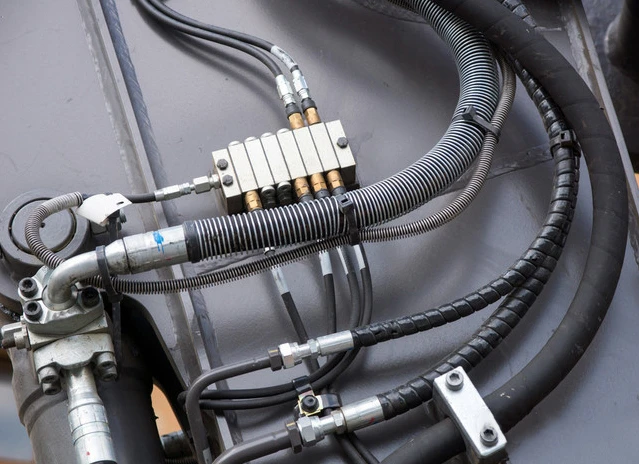
Yarn braid R7 hose represents a critical component in hydraulic systems operating under high pressure and demanding conditions. Classified under EN 857 1CR, it is specifically designed for conveying hydraulic fluid in mobile machinery, construction equipment, and industrial applications. Its construction—a synthetic rubber inner tube, multiple layers of high-tensile steel wire braid reinforcement, and a synthetic rubber outer cover—provides robustness and resistance to abrasion, oil, and environmental factors. The R7 designation indicates a working pressure of 70 bar (approximately 1015 psi), although safety factors dictate maximum permissible pressures are significantly higher. Core industry pain points addressed by this hose type include minimizing leakage, maximizing operational lifespan in harsh environments, and ensuring compliance with stringent safety regulations. The selection of appropriate R7 hose, considering factors like fluid compatibility and operating temperature, is paramount for system reliability and operator safety. Its position within the industry chain is as a crucial, often last-line-of-defense component preventing catastrophic system failure.
Material Science & Manufacturing
The constituent materials of a yarn braid R7 hose dictate its performance characteristics. The inner tube is typically manufactured from a nitrile rubber (NBR) compound, selected for its excellent resistance to petroleum-based hydraulic fluids. However, specialized applications may employ other elastomers, such as EPDM for phosphate ester fluids or Viton for high-temperature or aggressive chemical environments. The reinforcement layers consist of high-tensile steel wire, precisely wound in a braid configuration. This braiding process, critical for pressure containment, involves multiple passes of steel wire over a mandrel, each layer adding to the hose’s burst pressure capacity. Yarn is often incorporated between braid layers to improve cover adhesion and maintain hose flexibility. The outer cover, also typically NBR-based, provides abrasion resistance and protection against environmental degradation. Manufacturing tolerances are rigorously controlled; wire diameter, braid angle, and rubber compound consistency directly impact hose performance. Vulcanization, a crucial step in rubber processing, crosslinks the polymer chains, enhancing strength, elasticity, and resistance to chemical attack. Parameters such as temperature, pressure, and curing time are precisely monitored during vulcanization to achieve optimal material properties. Furthermore, pre-forming techniques are applied to the steel wire to minimize stress concentration during bending, extending the hose's fatigue life.
Performance & Engineering
The performance of a yarn braid R7 hose is governed by several key engineering principles. Burst pressure, the maximum pressure the hose can withstand before failure, is a critical safety parameter. This is determined by the tensile strength of the steel wire and the number of reinforcement layers. Working pressure, as defined by EN 857, is significantly lower than burst pressure, incorporating a substantial safety factor (typically 4:1). Hose flexibility is crucial for ease of installation and maneuverability, particularly in mobile applications. This is influenced by the braid angle and the properties of the rubber compounds. Fatigue resistance, the ability to withstand repeated pressure cycles, is paramount for long-term reliability. Finite element analysis (FEA) is often employed to model stress distributions within the hose during bending and pressurization, optimizing reinforcement configuration and material selection. Environmental resistance, including ozone, UV, and fluid compatibility, is also a key consideration. The hose must maintain its mechanical properties over a wide temperature range. Proper hose assembly, including the correct crimping of fittings, is essential to prevent premature failure. Incorrect crimping can lead to stress concentration at the fitting interface, initiating crack propagation. Compliance with relevant standards, such as ISO 14330 for hydraulic hose assemblies, is crucial to ensure safety and performance.
Technical Specifications
| Parameter | Unit | Specification (Typical) | Test Standard |
|---|---|---|---|
| Working Pressure | bar | 70 | EN 857 |
| Burst Pressure | bar | 280 | EN 857 |
| Inner Tube Material | - | NBR (Nitrile Rubber) | ASTM D2000 |
| Reinforcement | Layers | Multiple Steel Wire Braid | EN 857 |
| Outer Cover Material | - | NBR (Nitrile Rubber) | ASTM D2000 |
| Temperature Range | °C | -40 to +100 | SAE J30R7 |
Failure Mode & Maintenance
Failure modes in yarn braid R7 hoses are diverse and often interconnected. The most common failure is rupture due to exceeding the working pressure, often exacerbated by pre-existing damage. Fatigue cracking, initiated by repeated bending and pressurization, typically occurs at the hose ends near the fittings. Abrasion of the outer cover, caused by rubbing against other components or abrasive materials, can expose the reinforcement layers to corrosion. Wicking, the migration of hydraulic fluid through the hose wall, can result in leakage and environmental contamination. Internal degradation of the rubber compounds, caused by exposure to incompatible fluids or high temperatures, can lead to loss of flexibility and eventual failure. Corrosion of the steel wire reinforcement, particularly in marine or corrosive environments, weakens the hose and increases the risk of rupture. Maintenance practices include regular visual inspection for signs of abrasion, cracking, or leakage. Hose assemblies should be replaced if any damage is detected. Proper routing and support are crucial to prevent excessive bending and abrasion. Fluid compatibility must be verified before use. Periodic pressure testing can identify potential weaknesses before catastrophic failure occurs. Avoid kinking the hose during storage and handling. Regularly check the tightness of fittings. Documenting hose history, including installation date and operating conditions, aids in proactive maintenance and failure analysis.
Industry FAQ
Q: What is the impact of exceeding the minimum bend radius on hose lifespan?
A: Exceeding the minimum bend radius introduces significant stress concentration in the hose wall, particularly at the inner radius. This accelerates fatigue cracking and reduces the hose’s overall lifespan. Repeated bending beyond the specified limit can cause permanent deformation and ultimately lead to failure, even at pressures within the working range.
Q: How does fluid temperature affect the working pressure of R7 hose?
A: Increased fluid temperature generally reduces the working pressure capacity of R7 hose. Elevated temperatures can degrade the rubber compounds, reducing their tensile strength and elasticity. It’s critical to consult the manufacturer’s specifications for derating factors based on operating temperature. Operating significantly above the recommended temperature range can lead to premature failure.
Q: What are the key considerations when selecting fittings for R7 hose?
A: Fittings must be compatible with the hose material and pressure rating. Correct crimping is essential to ensure a secure and leak-proof connection. The fitting material should also be resistant to corrosion and compatible with the hydraulic fluid. Using non-certified or incorrectly sized fittings compromises the integrity of the entire hydraulic system.
Q: Can R7 hose be used with biodegradable hydraulic fluids?
A: Compatibility with biodegradable hydraulic fluids must be verified with the hose manufacturer. Some biodegradable fluids can cause swelling or degradation of the NBR inner tube, leading to leakage and failure. Specialized hoses with EPDM inner tubes are often required for biodegradable fluid applications.
Q: What preventative measures can be taken to mitigate the risk of corrosion in marine environments?
A: In marine environments, using hoses with stainless steel wire reinforcement and applying a corrosion-inhibiting coating to the outer cover can significantly reduce the risk of corrosion. Regular inspection for signs of corrosion is crucial. Avoiding exposure to saltwater spray and implementing a robust maintenance program are also essential.
Conclusion
The yarn braid R7 hose remains a cornerstone of hydraulic power transmission, providing a robust and reliable solution for high-pressure applications. Its inherent strength, derived from its multi-layered construction and carefully selected materials, enables it to withstand demanding operating conditions. However, realizing its full potential requires a thorough understanding of its performance characteristics, potential failure modes, and proper maintenance procedures.
Selecting the correct hose for a given application—considering fluid compatibility, operating temperature, and pressure requirements—is paramount. Adhering to industry standards and implementing a proactive maintenance program are essential for maximizing hose lifespan and ensuring system safety. Future advancements in materials science, such as the development of more corrosion-resistant alloys and advanced rubber compounds, will continue to enhance the performance and durability of R7 hose technology.