


buy ptfe corrugated hose exporter Performance Analysis
Introduction
PTFE corrugated hose represents a critical fluid transfer component in numerous industrial applications, ranging from chemical processing and pharmaceutical manufacturing to aerospace and automotive engineering. These hoses are specifically engineered to handle highly corrosive fluids, extreme temperatures, and high-pressure environments where traditional rubber or metal hoses fall short. Their construction, utilizing polytetrafluoroethylene (PTFE) – renowned for its exceptional chemical inertness – positions them as a key element in maintaining process integrity and safety. This guide provides an in-depth examination of PTFE corrugated hose, encompassing its material science, manufacturing processes, performance characteristics, potential failure modes, and relevant industry standards. The core performance advantage lies in its ability to consistently deliver reliable fluid transfer in harsh conditions, addressing a significant pain point for industries demanding process uptime and reduced maintenance costs. We will focus on the design considerations necessary to select the optimal hose for a given application, as well as outlining critical maintenance procedures to maximize service life.
Material Science & Manufacturing
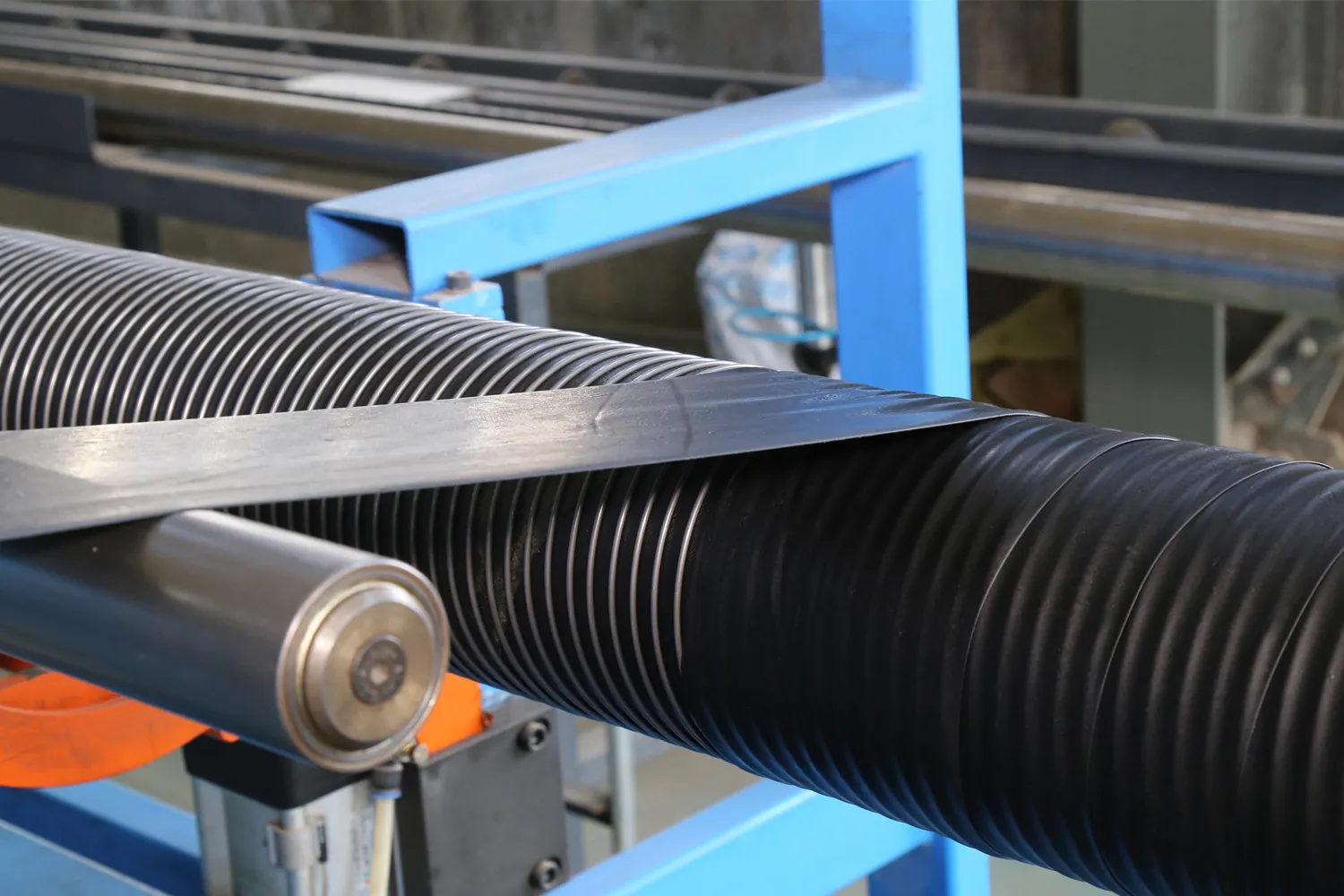
The foundation of PTFE corrugated hose lies in the unique properties of polytetrafluoroethylene. PTFE is a synthetic fluoropolymer known for its exceptional chemical resistance, a very low coefficient of friction, a wide temperature range (-200°C to +260°C), and excellent dielectric properties. Raw material selection is crucial; virgin PTFE resin is preferred for demanding applications requiring maximum purity and performance, while modified PTFE grades incorporating fillers (e.g., glass fiber, carbon) can enhance mechanical strength and reduce creep. The manufacturing process typically begins with PTFE resin extrusion, forming a seamless tube. This tube then undergoes a corrugation process, often utilizing specialized machinery employing shaped mandrels and controlled heating. The corrugation imparts flexibility to the hose, enabling it to navigate complex routing configurations. Subsequent layers are added; these generally include a braided reinforcement – commonly stainless steel 304 or 316 – to provide pressure resistance and structural integrity. The braiding is crucial in preventing hose burst under pressure. Finally, end fittings are attached, typically through crimping or swaging techniques, ensuring a leak-proof connection. Key parameter control during manufacturing includes maintaining precise temperature control during extrusion and corrugation to avoid material degradation, ensuring consistent braid density for optimal pressure handling, and verifying the dimensional accuracy of the corrugations to maximize flexibility and prevent stress concentration. The quality of the PTFE resin, the precision of the corrugation process, and the integrity of the braid significantly influence the hose’s final performance.
Performance & Engineering
The performance of PTFE corrugated hose is dictated by a complex interplay of material properties and geometric design. Force analysis focuses on burst pressure, tensile strength, and fatigue resistance. Burst pressure is primarily determined by the PTFE wall thickness and the strength of the reinforcing braid. Tensile strength relates to the hose’s ability to withstand axial loads, important in applications where the hose is subjected to pulling forces. Fatigue resistance, assessed through cyclic pressure testing, is critical for applications involving continuous operation and pressure fluctuations. Environmental resistance is a key consideration; PTFE exhibits excellent resistance to a broad spectrum of chemicals, including strong acids, bases, and solvents. However, prolonged exposure to certain aggressive solvents (e.g., amines, ketones) at elevated temperatures can lead to swelling or degradation. Compliance requirements vary by industry and region. In the pharmaceutical and food processing sectors, hoses must comply with FDA regulations regarding material purity and biocompatibility. In the chemical processing industry, adherence to standards such as REACH and RoHS is essential. Functional implementation requires careful consideration of hose routing, bend radius, and connection types. Sharp bends can induce stress concentrations, leading to premature failure. End fittings must be compatible with the fluid being conveyed and the operating pressure. Proper installation and support are crucial to preventing damage and maximizing service life. Furthermore, the thermal expansion and contraction of PTFE must be accounted for in system design to avoid stress buildup and potential leaks.
Technical Specifications
| Parameter | Unit | Typical Value (Standard Grade PTFE) | Typical Value (Glass Fiber Reinforced PTFE) |
|---|---|---|---|
| Operating Pressure | PSI | 250 | 500 |
| Burst Pressure | PSI | 750 | 1500 |
| Temperature Range | °F | -200 to +450 | -200 to +450 |
| Chemical Resistance | - | Excellent to most chemicals | Excellent to most chemicals |
| Minimum Bend Radius | Inches | 6 | 8 |
| Tensile Strength | PSI | 2000 | 5000 |
Failure Mode & Maintenance
PTFE corrugated hose, while robust, is susceptible to several failure modes. Fatigue cracking, initiated by repeated flexing and pressure cycling, is a common concern, particularly at the corrugation peaks. Delamination, the separation of PTFE layers, can occur due to improper manufacturing or exposure to aggressive chemicals. Degradation, resulting from prolonged exposure to high temperatures or incompatible solvents, leads to a reduction in material properties. Oxidation, while less common with PTFE, can occur at elevated temperatures in the presence of oxygen. Creep, the slow deformation under constant load, is a concern in applications involving sustained pressure. Failure analysis often reveals that a combination of factors contributes to hose failure. Maintenance procedures are critical for maximizing service life. Regular visual inspections should be conducted to identify signs of cracking, delamination, or swelling. Pressure testing, performed at intervals determined by the severity of the application, can detect leaks or weaknesses. Hoses should be properly supported to prevent excessive bending and stress. Avoid exceeding the maximum operating pressure and temperature limits. When handling corrosive fluids, verify chemical compatibility before use. In the event of a failure, the entire hose assembly should be replaced, including the end fittings. Do not attempt to repair a damaged hose, as this can compromise its integrity. Proper storage, avoiding direct sunlight and extreme temperatures, will also contribute to longer service life.
Industry FAQ
Q: What differentiates PTFE corrugated hose from other flexible hose options, such as rubber or stainless steel braided hoses, in highly corrosive environments?
A: PTFE's inherent chemical inertness provides superior resistance to a wider range of corrosive fluids compared to rubber, which can swell, degrade, or dissolve. Stainless steel, while corrosion-resistant, can still be susceptible to pitting or crevice corrosion in certain aggressive environments. PTFE remains unaffected by most chemicals, maintaining its integrity and preventing contamination of the conveyed fluid.
Q: What impact does the reinforcement braid material (e.g., 304 vs. 316 stainless steel) have on the hose's performance and longevity?
A: 316 stainless steel offers enhanced corrosion resistance, particularly against chloride ions, making it ideal for applications in marine or saltwater environments. 304 stainless steel provides adequate corrosion resistance for most general-purpose applications. 316 will extend the service life in harsh chemical environments, but is generally more expensive.
Q: How does temperature fluctuation affect the PTFE corrugated hose, and what design considerations mitigate these effects?
A: PTFE exhibits a relatively high coefficient of thermal expansion. Significant temperature fluctuations can cause the hose to expand and contract, potentially inducing stress on connections. Using expansion loops and proper support mechanisms can accommodate these movements. Choosing fittings designed for thermal expansion and contraction is crucial.
Q: What are the critical considerations when selecting end fittings for a PTFE corrugated hose to ensure a leak-proof and reliable connection?
A: Compatibility between the fitting material and the fluid being conveyed is paramount. The fitting must be rated for the operating pressure and temperature. Crimping or swaging techniques must be properly executed to create a secure and leak-proof seal. The fitting's geometry must match the hose end to distribute stress evenly.
Q: What preventative maintenance procedures are recommended to maximize the lifespan of a PTFE corrugated hose in a chemical processing plant?
A: Regular visual inspections for cracks, swelling, or delamination. Periodic pressure testing to detect leaks. Proper support to minimize bending stress. Verification of chemical compatibility before use. Avoidance of exceeding pressure and temperature limits. Maintaining a log of hose usage and inspection dates.
Conclusion
PTFE corrugated hose represents a sophisticated fluid transfer solution, uniquely suited for demanding applications requiring exceptional chemical resistance, temperature stability, and pressure handling capabilities. Its performance is intrinsically linked to the quality of the PTFE resin, the precision of the manufacturing process, and the careful selection of reinforcement materials and end fittings. Understanding the potential failure modes and implementing proactive maintenance procedures are essential for maximizing service life and ensuring process reliability.
The selection of the correct PTFE corrugated hose should be driven by a comprehensive assessment of the application’s specific requirements, including fluid compatibility, operating pressure, temperature range, and environmental conditions. Further advancements in PTFE materials and manufacturing techniques are continually improving hose performance and expanding its applicability across diverse industries. Continued adherence to industry standards and best practices is critical for maintaining the integrity and safety of fluid transfer systems.