


best resin hose factory Performance Analysis
Introduction
Resin hoses represent a critical component in fluid transfer systems across diverse industrial applications, ranging from chemical processing and agriculture to oil & gas and manufacturing. These hoses utilize a polymeric matrix – typically a thermoset resin – reinforced with textile or metallic plies to achieve necessary pressure ratings, chemical compatibility, and flexibility. Unlike traditional rubber hoses, resin hoses often exhibit superior resistance to aggressive chemicals, elevated temperatures, and abrasion, making them a preferred choice in demanding environments. This guide provides a comprehensive technical overview of resin hose technology, encompassing material science, manufacturing processes, performance characteristics, failure modes, maintenance protocols, and relevant industry standards. The position of resin hoses within the supply chain is typically as a specialized engineered component, supplied to OEMs or directly to end-users requiring high-performance fluid handling solutions. Core performance characteristics center around burst pressure, chemical inertness, temperature resistance, and service life, all of which dictate suitability for specific applications. A key challenge within the industry lies in balancing cost-effectiveness with the required level of performance and ensuring consistent quality control throughout the manufacturing process.
Material Science & Manufacturing
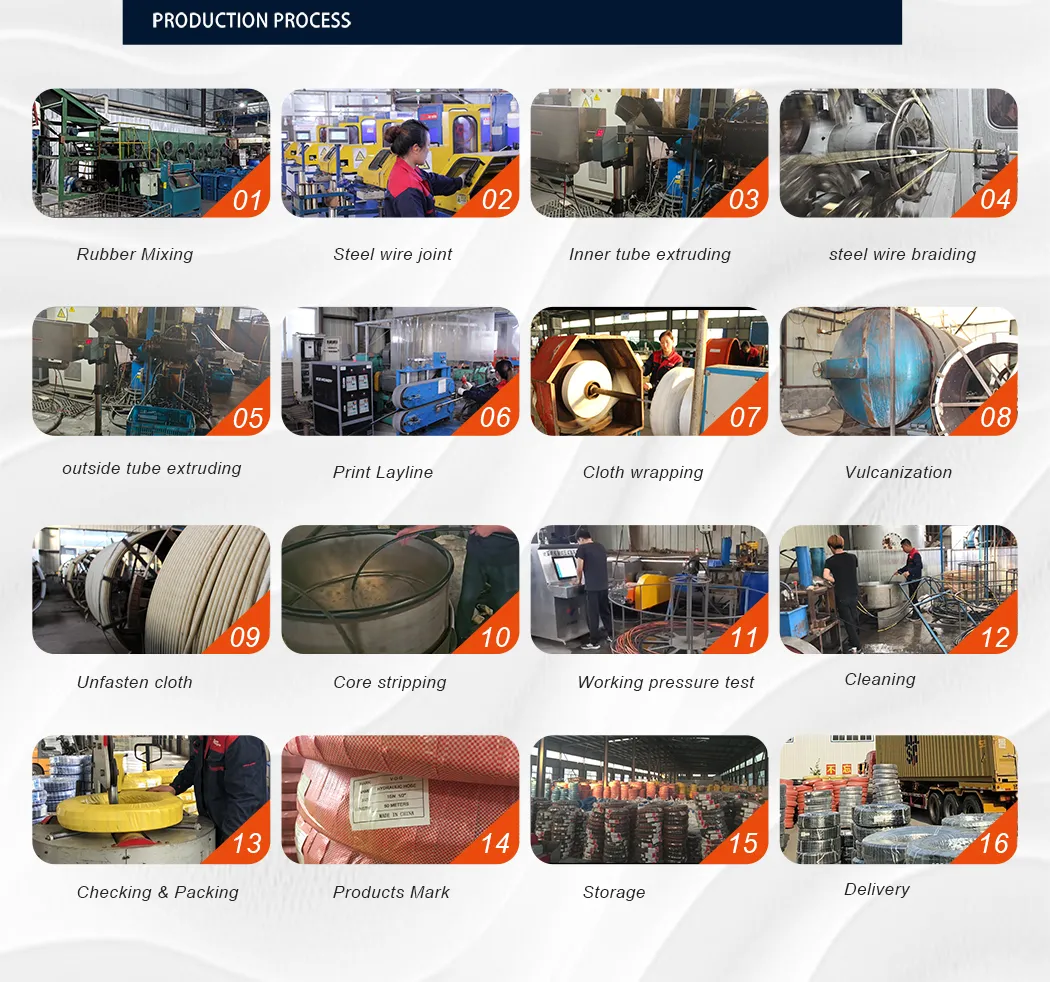
The foundation of a resin hose’s performance lies in the careful selection and processing of its constituent materials. The resin matrix commonly employs thermosetting polymers such as epoxy, polyester, vinyl ester, or phenolic resins, chosen based on desired chemical resistance and temperature specifications. Epoxy resins typically offer superior chemical resistance but may exhibit lower flexibility, while polyester resins are more economical and provide good overall performance. Reinforcement materials are crucial for providing mechanical strength and burst resistance. These include high-tenacity textile fabrics like polyester, nylon, or aramid (e.g., Kevlar), as well as metallic spirals or braids composed of stainless steel or carbon steel. The manufacturing process typically involves several stages. First, the reinforcement material is prepared – woven, knitted, or braided into a specific configuration. Resin impregnation is then conducted using techniques like vacuum infusion, filament winding, or hand lay-up. Vacuum infusion, favored for its consistent resin-to-fiber ratio and reduced void content, involves drawing the resin through the reinforcement under vacuum pressure. Filament winding is employed for high-pressure applications, creating a tightly wound structure. Following impregnation, the hose is cured under controlled temperature and pressure to solidify the resin matrix. Post-curing processes, such as annealing, can further enhance mechanical properties. Key parameter control during manufacturing includes resin viscosity, curing temperature, fiber alignment, and void content. Maintaining consistent resin viscosity is critical for proper impregnation. Precise temperature control during curing ensures complete cross-linking of the resin, maximizing its mechanical and chemical properties. Fiber alignment impacts burst strength, and minimizing void content prevents stress concentration points that can initiate failure.
Performance & Engineering
The performance of a resin hose is dictated by a complex interplay of material properties and engineering design. Force analysis, particularly burst pressure calculations, is paramount. Burst pressure is determined by the tensile strength of the reinforcement materials, the adhesion between the resin and reinforcement, and the hose geometry. Finite element analysis (FEA) is routinely employed to model stress distribution under pressure and predict potential failure points. Environmental resistance is another critical consideration. Exposure to chemicals, UV radiation, and temperature fluctuations can degrade the resin matrix and reinforcement, reducing hose performance. Chemical compatibility charts are essential for selecting the appropriate resin formulation for a given application. Abrasion resistance is also a key performance metric, particularly in applications involving particulate matter or abrasive fluids. Compliance requirements vary depending on the industry and region. For example, hoses used in food and beverage processing must comply with FDA regulations, while those used in oil & gas applications must meet API standards. Functional implementation often involves incorporating specialized fittings and couplings to ensure leak-free connections. The selection of fitting material (e.g., stainless steel, carbon steel, polypropylene) must be compatible with both the hose material and the fluid being conveyed. Hose assemblies are also frequently subjected to pressure testing and leak testing to verify their integrity before installation. Flexibility is an important engineering parameter, dictating the hose's ability to navigate bends and tight spaces without kinking or restricting flow. Hose wall thickness, reinforcement ply configuration, and resin formulation all influence flexibility.
Technical Specifications
| Parameter | Unit | Typical Value (Epoxy Resin, Aramid Reinforced) | Typical Value (Polyester Resin, Polyester Reinforced) |
|---|---|---|---|
| Burst Pressure | psi | 5000 | 3000 |
| Working Pressure | psi | 2500 | 1500 |
| Temperature Range | °F | -40 to 250 | -20 to 175 |
| Chemical Resistance | Rating (1-5, 5=Excellent) | 4.5 | 3.5 |
| Tensile Strength | psi | 30000 | 20000 |
| Elongation at Break | % | 3 | 5 |
Failure Mode & Maintenance
Resin hoses, while durable, are susceptible to various failure modes depending on application conditions. Fatigue cracking, resulting from cyclic pressure and bending, is a common failure mechanism, particularly in hoses subjected to constant flexing. Delamination, the separation of reinforcement plies from the resin matrix, can occur due to poor adhesion or exposure to aggressive chemicals. Degradation of the resin matrix, caused by UV radiation, oxidation, or chemical attack, reduces its mechanical properties and increases susceptibility to cracking. Oxidation, particularly at elevated temperatures, can embrittle the resin and lead to premature failure. Abrasion damage, caused by contact with abrasive materials, can wear through the hose wall, leading to leaks. Maintenance protocols are crucial for extending hose service life. Regular visual inspections should be conducted to identify signs of cracking, delamination, or abrasion. Hoses should be periodically pressure tested to verify their integrity. Proper storage is essential to prevent degradation. Hoses should be stored in a cool, dry place away from direct sunlight and chemicals. Avoid kinking or bending hoses beyond their minimum bend radius. When handling corrosive fluids, ensure the hose is compatible with the chemical and that appropriate personal protective equipment is used. Replacing hoses at recommended intervals, based on application and usage, is a proactive approach to prevent catastrophic failures. Proper fitting installation, ensuring secure and leak-free connections, is critical for preventing premature hose failure.
Industry FAQ
Q: What are the key advantages of resin hoses over traditional rubber hoses in highly corrosive environments?
A: Resin hoses generally offer significantly superior chemical resistance compared to rubber hoses. The thermoset resin matrix is inherently more inert to a broader range of chemicals, including strong acids, bases, and solvents. This resistance minimizes swelling, degradation, and permeation, extending service life and reducing the risk of leaks. Rubber, even specialized formulations, can be susceptible to chemical attack, leading to loss of mechanical properties and premature failure.
Q: How does the choice of reinforcement material affect the burst pressure and flexibility of a resin hose?
A: The reinforcement material is directly responsible for the hose’s ability to withstand internal pressure. Higher-strength materials like aramid (Kevlar) and stainless steel offer greater burst pressure capabilities. However, these materials generally reduce flexibility. Polyester and nylon reinforcements provide good strength-to-flexibility balance, making them suitable for applications requiring moderate pressure and bending. The ply configuration also impacts these properties – increasing the number of plies increases burst pressure but reduces flexibility.
Q: What is the impact of void content in the resin matrix on the hose’s performance and longevity?
A: Voids within the resin matrix act as stress concentrators, significantly reducing the hose’s burst pressure and fatigue life. They create weak points where cracks can initiate and propagate under pressure or cyclic loading. Minimizing void content through proper manufacturing techniques like vacuum infusion is critical for achieving optimal performance and longevity. Higher void content also increases permeability, potentially leading to fluid loss or contamination.
Q: What testing standards are typically used to validate the performance and safety of resin hoses?
A: Several standards are used, depending on the application. Burst pressure testing is commonly performed according to ISO 3096 or ASTM D3915. Chemical resistance testing follows standards like ASTM D3915 or specific industry protocols. Tensile strength and elongation are assessed per ASTM D638. Permeation testing, important for applications requiring fluid containment, follows ASTM D968. For food contact applications, compliance with FDA 21 CFR 177.2600 is essential.
Q: What are the considerations for selecting the appropriate fitting material for a resin hose assembly?
A: Fitting material compatibility is paramount. Stainless steel is generally the most versatile choice, offering excellent corrosion resistance and strength. However, carbon steel may be suitable for less demanding applications. The fitting material must be chemically compatible with both the hose material and the fluid being conveyed. Furthermore, the fitting’s pressure rating must meet or exceed the hose’s working pressure. Improper fitting selection can lead to leaks, corrosion, and premature hose failure.
Conclusion
Resin hoses represent a significant advancement in fluid transfer technology, offering superior performance characteristics compared to traditional materials in demanding industrial environments. Their inherent chemical resistance, high temperature capabilities, and customizable reinforcement options make them ideal for applications where reliability and longevity are critical. Understanding the intricacies of material science, manufacturing processes, and performance engineering is essential for selecting the appropriate hose for a given application and maximizing its service life.
Future advancements in resin hose technology are likely to focus on developing new resin formulations with enhanced chemical resistance and temperature stability, as well as incorporating smart sensing capabilities for real-time monitoring of hose integrity. Continued research into innovative reinforcement materials and manufacturing techniques will also drive improvements in burst pressure, flexibility, and cost-effectiveness. Proper maintenance and adherence to industry standards remain crucial for ensuring the safe and reliable operation of resin hose systems.