


best long length hydraulic hose exporter Performance Analysis
Introduction
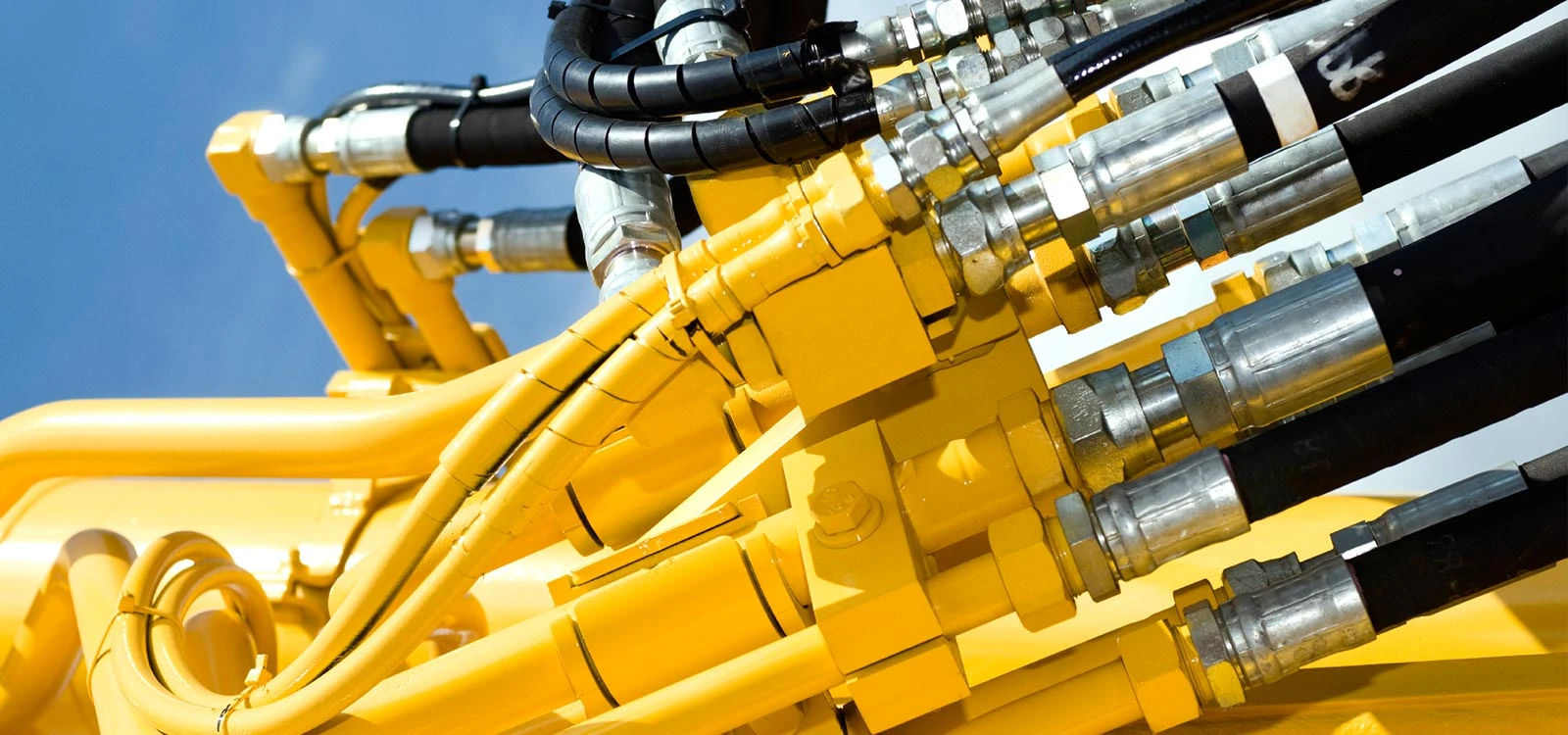
Long length hydraulic hose is a critical component in numerous industrial applications, encompassing construction equipment, agricultural machinery, material handling systems, and oil & gas operations. These hoses are engineered to transmit hydraulic fluid under high pressure, facilitating the operation of actuators and motors. The demand for extended hose lengths arises from the increasing size and complexity of modern machinery, necessitating longer reach and routing flexibility. This guide provides an in-depth technical overview of long length hydraulic hose, covering material science, manufacturing processes, performance characteristics, failure modes, maintenance protocols, and relevant industry standards. A core pain point in the industry is ensuring consistent performance and preventing catastrophic failure in these extended configurations, which are more susceptible to pressure drops, fatigue, and damage during installation and operation. Furthermore, sourcing reliable, high-quality long length hoses that meet stringent safety and performance requirements presents a significant challenge for procurement managers.
Material Science & Manufacturing
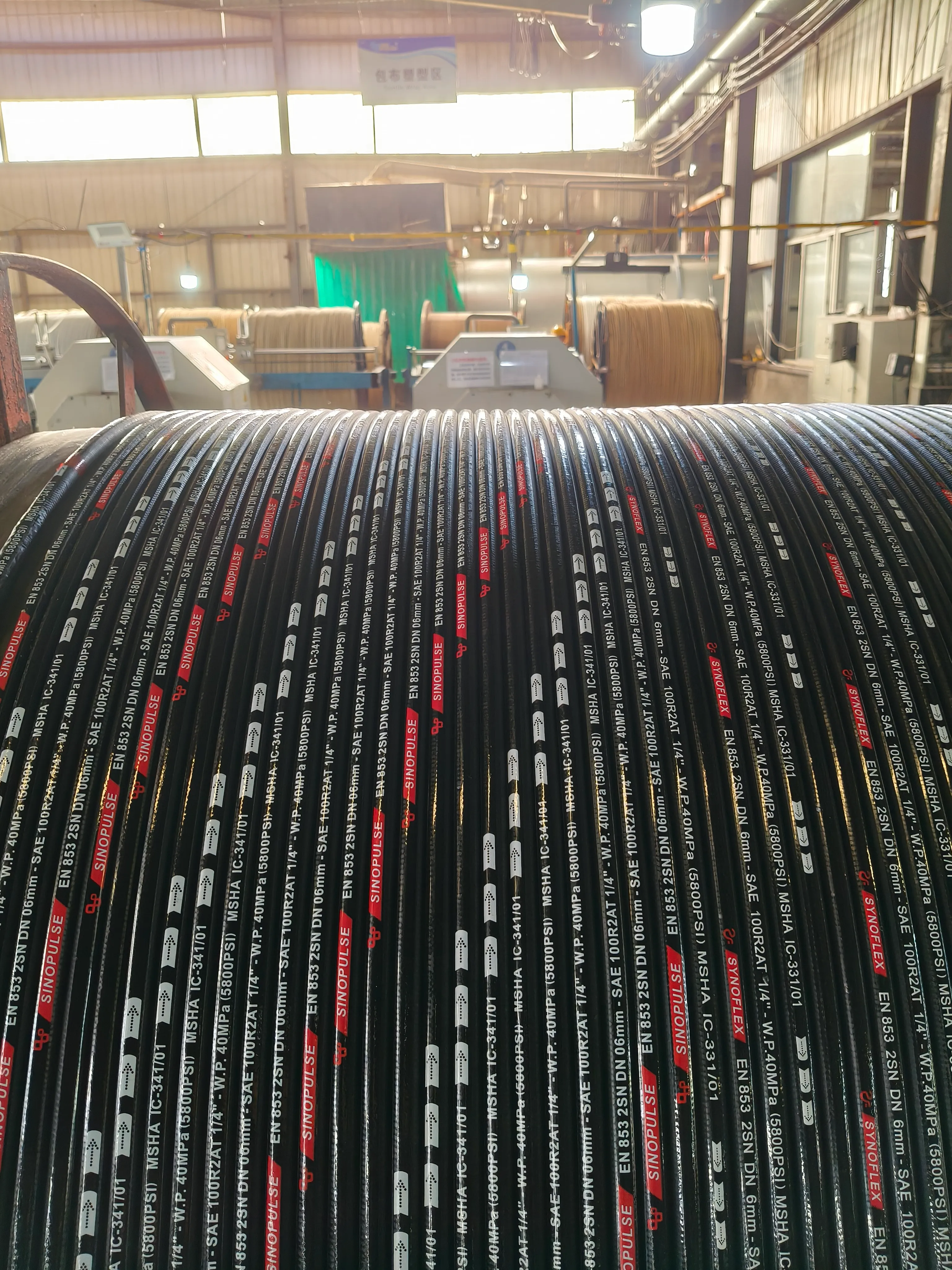
Long length hydraulic hoses are typically constructed from several key materials. The inner tube, which comes into direct contact with the hydraulic fluid, is commonly made from synthetic rubbers like nitrile (NBR), ethylene propylene diene monomer (EPDM), or fluorocarbon (FKM/Viton). NBR offers good resistance to petroleum-based fluids, EPDM excels in phosphate ester hydraulic fluids and high-temperature applications, while FKM provides superior chemical resistance and high-temperature stability but at a higher cost. The reinforcement layer, crucial for withstanding high pressure, is typically braided or spiraled with high-tensile steel wire. The number of braids or the pitch of the spiral significantly impacts the hose's pressure rating and flexibility. An outer cover, usually composed of synthetic rubber like chloroprene (CR) or polyurethane (PU), protects the reinforcement layer from abrasion, weathering, and chemical exposure. Manufacturing involves several critical processes. The inner tube is extruded through a die to achieve precise dimensions. Reinforcement is applied through braiding or spiraling machines, ensuring uniform coverage and proper alignment. The cover is then extruded over the reinforcement layer. Quality control during extrusion is paramount, with careful monitoring of rubber compound temperature, screw speed, and die pressure to maintain consistent wall thickness and material properties. Post-extrusion processes include vulcanization (curing) to crosslink the rubber molecules, enhancing strength and elasticity, and rigorous pressure testing to verify performance and identify defects. Parameter control during vulcanization – temperature, time, and pressure – is critical to achieving optimal material properties and preventing reversion (degradation of rubber due to excessive heat).
Performance & Engineering
The performance of long length hydraulic hose is governed by several engineering principles. Burst pressure, working pressure, and impulse pressure are key parameters. Burst pressure is the maximum pressure the hose can withstand before rupturing, while working pressure is the recommended operating pressure, typically 50-75% of the burst pressure. Impulse pressure refers to the hose’s ability to withstand pressure spikes and fluctuations. Longer hose lengths introduce additional challenges due to increased frictional losses, leading to pressure drops along the hose. This pressure drop must be accounted for in system design to ensure adequate flow rate and actuator performance. Hose flexibility is also a critical consideration, particularly in tight spaces or dynamic applications. Excessive bending or kinking can restrict flow and damage the reinforcement layer. Furthermore, the hose's resistance to external factors, such as abrasion, oil exposure, and temperature extremes, must be evaluated. Finite element analysis (FEA) is often employed to model stress distribution within the hose under various loading conditions, optimizing reinforcement design and predicting potential failure points. Compliance with industry standards such as SAE J517 (Hydraulic Hose) and ISO 6898 (Hydraulic Hose Assemblies) is essential to ensure safety and reliability. Understanding hose stretch under pressure is vital; excessive stretch can lead to fitting detachment and fluid leakage.
Technical Specifications
| Parameter | Unit | Typical Value (1-inch ID Hose, 200 ft Length) | Testing Standard |
|---|---|---|---|
| Inner Diameter (ID) | inches | 1.0 | SAE J1926 |
| Outer Diameter (OD) | inches | 1.38 | SAE J1926 |
| Working Pressure | psi | 3000 | SAE J517 |
| Burst Pressure | psi | 9000 | SAE J517 |
| Minimum Bend Radius | inches | 12 | Manufacturer Specification |
| Temperature Range | °F | -40 to +212 | SAE J517 |
| Reinforcement Type | - | 6 Spiral Steel Wire | SAE J517 |
Failure Mode & Maintenance
Long length hydraulic hoses are susceptible to several failure modes. Fatigue cracking, often initiated at the hose ends or near fittings, is a common issue caused by repeated pressure cycling and bending. Abrasion from rubbing against other components can damage the outer cover, exposing the reinforcement layer to corrosion. Kinking, resulting from excessive bending, restricts flow and can lead to localized stress concentrations and eventual failure. Internal degradation of the inner tube can occur due to chemical attack from incompatible hydraulic fluids or contamination. External corrosion of the steel wire reinforcement is a risk in harsh environments. Fitting failure, such as loosening or corrosion, can lead to leakage and hose separation. Maintenance is crucial for maximizing hose life. Regular visual inspections should be conducted to identify signs of abrasion, cracking, kinking, or leakage. Fittings should be checked for tightness and corrosion. Hydraulic fluid should be regularly analyzed for contamination and replaced as needed. Hoses should be properly routed and supported to prevent excessive bending and abrasion. Avoid exceeding the hose's working pressure. When replacing a hose, ensure the replacement has the same or higher pressure rating and chemical compatibility. Proper hose assembly, utilizing correctly sized fittings and crimping tools, is essential to prevent premature failure. Storing hoses properly, away from direct sunlight, heat, and ozone, can extend their service life.
Industry FAQ
Q: What is the impact of hose length on pressure drop, and how can it be mitigated?
A: Pressure drop increases proportionally with hose length. Longer hoses create more frictional resistance to fluid flow. Mitigation strategies include using a larger hose ID, selecting a hose with a smoother inner bore, minimizing the number of bends, and ensuring proper fluid viscosity. Implementing flow restrictors and increasing pump output can also compensate for pressure losses, though these require careful system analysis.
Q: How does temperature affect the performance and lifespan of a hydraulic hose?
A: Elevated temperatures can accelerate rubber degradation, reducing the hose’s flexibility and pressure rating. Low temperatures can make the rubber brittle and prone to cracking. Selecting a hose with a temperature rating appropriate for the application is crucial. Insulation or cooling systems may be required in extreme temperature environments.
Q: What is the best reinforcement type for a long length hose used in a high-vibration environment?
A: Spiral wire reinforcement generally performs better in high-vibration environments than braided reinforcement. The spiral construction provides greater flexibility and resistance to fatigue cracking caused by vibration. The steel wire’s inherent damping characteristics also help to reduce vibration transmission.
Q: What are the key considerations when selecting fittings for long length hydraulic hoses?
A: Fittings must be compatible with the hose material and fluid type. Proper crimping is critical to ensure a secure and leak-free connection. Consider the hose end connection type (e.g., SAE straight thread, JIC, NPT) and ensure compatibility with the system's ports. Using high-quality, corrosion-resistant fittings is essential for long-term reliability.
Q: What is the recommended service life for a long length hydraulic hose, and how can it be monitored?
A: The recommended service life varies depending on the application, operating conditions, and hose quality. A typical service life is 5-7 years, but regular inspections are vital. Monitoring for signs of wear, abrasion, cracking, and leakage is critical. Implementing a preventative maintenance schedule, including fluid analysis and hose replacement based on condition, is highly recommended.
Conclusion
Long length hydraulic hoses are complex engineered components requiring careful consideration of material science, manufacturing processes, and performance characteristics. Selecting the appropriate hose for a specific application necessitates a thorough understanding of pressure requirements, temperature extremes, fluid compatibility, and environmental conditions. Implementing a robust maintenance program, including regular inspections and preventative replacements, is essential for maximizing hose lifespan and preventing catastrophic failures. The increased demand for extended hose lengths in modern machinery underscores the importance of reliable sourcing and adherence to industry standards.
Future developments in hydraulic hose technology are focused on enhancing durability, reducing weight, and improving chemical resistance. The integration of sensor technology into hoses, enabling real-time monitoring of pressure, temperature, and internal condition, represents a promising area of innovation. Furthermore, advancements in rubber compounding and reinforcement materials will continue to drive improvements in hose performance and longevity, reducing downtime and enhancing operational efficiency.