


best high tensile steel wire braid hoses Performance Analysis
Introduction
High tensile steel wire braid hydraulic hoses represent a critical component in numerous industrial applications demanding robust fluid conveyance under high pressure and challenging environmental conditions. Positioned within the fluid power transmission industry chain, these hoses bridge the gap between hydraulic power units and actuators, delivering the necessary force for machinery operation. Unlike rubber hoses or thermoplastic alternatives, steel wire braid reinforcement imparts superior pressure resistance, burst strength, and abrasion resistance. The core performance characteristics – pressure rating, bend radius, temperature range, and fluid compatibility – define suitability for specific applications ranging from construction equipment and agricultural machinery to aerospace and oil & gas operations. A key industry pain point lies in selecting a hose that balances performance requirements with cost-effectiveness and longevity, particularly concerning resistance to fatigue failure and corrosion in harsh operating environments. This guide provides an in-depth analysis of the materials, manufacturing processes, performance parameters, failure modes, and industry standards governing high tensile steel wire braid hydraulic hoses.
Material Science & Manufacturing
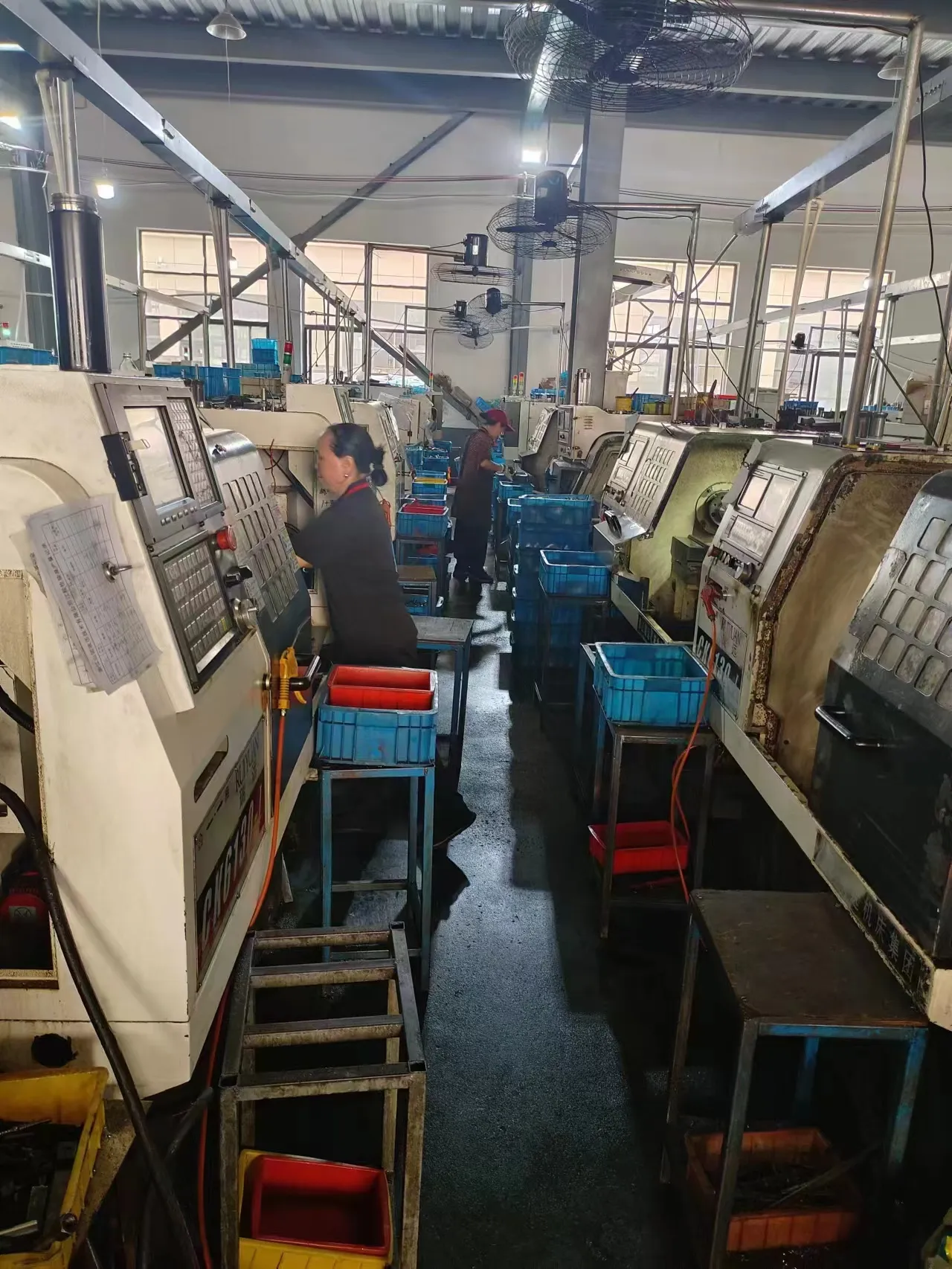
The construction of high tensile steel wire braid hoses relies on a precise interplay of material properties and manufacturing techniques. The inner tube, typically composed of synthetic rubber compounds such as nitrile (NBR), ethylene propylene diene monomer (EPDM), or fluorocarbon (FKM – Viton), provides fluid compatibility and flexibility. NBR offers excellent resistance to petroleum-based fluids, EPDM excels in phosphate ester hydraulic fluids, and FKM provides superior resistance to high temperatures and aggressive chemicals. The reinforcement layer consists of one or more braids of high-tensile steel wire, commonly drawn from carbon steel alloys with specific tensile strengths. Wire diameter and braid angle are critical parameters influencing burst pressure and flexibility. The outer cover, usually a synthetic rubber blend (often incorporating chloroprene or polyurethane), provides abrasion, ozone, and weather resistance. Steel wire utilized for the braid undergoes stringent quality control, including tensile testing, surface inspection for defects, and galvanization to enhance corrosion resistance. Manufacturing involves a multi-stage process. The inner tube is extruded to the desired dimensions, followed by the winding of the steel wire braid onto a mandrel. The braid is precisely applied under tension to ensure uniform coverage and prevent gaps. Subsequently, the outer cover is extruded over the braid, and the hose is cured in a vulcanization process to crosslink the rubber compounds, imparting elasticity and durability. Parameter control during extrusion, braiding, and vulcanization is crucial. Precise temperature and pressure regulation during vulcanization ensures optimal rubber crosslinking. Improper curing can lead to reduced flexibility, decreased burst strength, and premature failure. Furthermore, maintaining tight tolerances on wire braid coverage is paramount to prevent localized stress concentrations and potential failure initiation points.
Performance & Engineering
The performance of high tensile steel wire braid hoses is dictated by several key engineering principles. Burst pressure, the maximum pressure the hose can withstand before rupture, is directly proportional to the tensile strength of the steel wire and the number of braid layers. The relationship isn’t linear, as braid geometry (angle and coverage) also significantly impacts the load distribution. Fatigue resistance, the ability to withstand repeated pressure cycles, is a critical concern in dynamic applications. Fatigue failure typically initiates at stress concentrations, such as braid irregularities or damage to the inner tube. Environmental resistance encompasses a hose's ability to maintain performance characteristics under exposure to temperature extremes, UV radiation, ozone, and corrosive fluids. Hose bend radius, the minimum allowable radius for bending without kinking or damaging the reinforcement, is governed by hose diameter and construction. Exceeding the recommended bend radius induces stress on the steel wire braid, accelerating fatigue failure. Force analysis during hose assembly and operation is vital. Proper fitting installation, with correctly sized and installed ferrules, ensures a secure connection and prevents hose blow-off under pressure. Compliance requirements vary by industry and region. For example, SAE J517 standards specify performance requirements for hydraulic hoses used in mobile equipment, while EN 856 standards govern hoses used in general industrial applications. Testing protocols involve burst pressure testing, impulse testing (simulating pressure pulsations), and temperature cycling to verify compliance. The selection of appropriate materials and construction techniques must consider the specific operating conditions, including fluid type, pressure levels, temperature ranges, and exposure to environmental factors. Finite element analysis (FEA) can be employed to simulate stress distributions within the hose under various loading scenarios, optimizing hose design for maximum performance and durability.
Technical Specifications
| Parameter | Unit | Typical Value (1/2" ID, 2 Braid) | Typical Value (1" ID, 4 Braid) |
|---|---|---|---|
| Working Pressure | PSI | 3000 | 4500 |
| Burst Pressure | PSI | 9000 | 13500 |
| Temperature Range | °F | -40 to +212 | -40 to +212 |
| Inner Tube Material | - | NBR (Nitrile) | FKM (Fluorocarbon) |
| Reinforcement | - | Steel Wire Braid (2 layers) | Steel Wire Braid (4 layers) |
| Outer Cover Material | - | Synthetic Rubber (Chloroprene) | Synthetic Rubber (Polyurethane) |
Failure Mode & Maintenance
High tensile steel wire braid hoses are susceptible to several failure modes. Fatigue cracking, initiated by repeated pressure cycles and stress concentrations, is a common cause of failure, particularly in applications with high-frequency pulsations. Corrosion, both internal and external, can degrade the steel wire braid and reduce its tensile strength. Internal corrosion is often caused by incompatible fluids or contamination. External corrosion occurs due to exposure to moisture, salt spray, or corrosive chemicals. Abrasion, resulting from contact with abrasive surfaces, can damage the outer cover and expose the steel wire braid to corrosion. Kinking, caused by exceeding the minimum bend radius, stresses the reinforcement and can lead to fatigue failure. Blow-off, where the hose separates from the fitting, is typically caused by improper fitting installation or the use of damaged fittings. To mitigate these failures, a proactive maintenance program is essential. Regular visual inspections should be conducted to identify signs of abrasion, cracking, or corrosion. Hose assemblies should be pressure tested periodically to verify their integrity. Fluid compatibility should be carefully considered, and contaminated fluids should be filtered. Proper hose routing and support are crucial to prevent kinking and abrasion. When replacing hoses, it’s essential to use fittings and ferrules that are compatible with the hose and operating conditions. Damaged or corroded fittings should be replaced immediately. Additionally, monitoring operating pressure and temperature, and adhering to the manufacturer's recommended service life, can significantly extend hose lifespan and prevent catastrophic failures. Detailed failure analysis, including metallographic examination of the steel wire and chemical analysis of the hose materials, can help determine the root cause of failures and implement corrective actions.
Industry FAQ
Q: What is the impact of different braid angles on hose performance?
A: Braid angle significantly affects hose performance. Shallower braid angles (closer to 30 degrees) provide greater flexibility but lower burst pressure. Steeper braid angles (closer to 55 degrees) offer higher burst pressure but reduced flexibility. The optimal braid angle is a trade-off between these two parameters, determined by the specific application requirements. A higher coverage percentage of the braid also impacts the overall strength and pressure rating.
Q: How does fluid compatibility affect hose lifespan?
A: Fluid compatibility is paramount. Using a hose with an incompatible inner tube material can lead to swelling, degradation, and premature failure. For instance, using a nitrile (NBR) hose with phosphate ester fluids will result in rapid degradation. Always consult a fluid compatibility chart to ensure the inner tube material is compatible with the intended fluid.
Q: What are the common causes of hose blow-off and how can it be prevented?
A: Hose blow-off is typically caused by improper fitting installation, damaged fittings, exceeding the working pressure, or using incorrect ferrules. To prevent blow-off, ensure fittings are properly crimped onto the hose using calibrated tooling. Regularly inspect fittings for damage and replace them if necessary. Never exceed the hose’s working pressure. Use ferrules specifically designed for the hose and fitting combination.
Q: What is the difference between impulse pressure and working pressure?
A: Working pressure is the maximum continuous pressure the hose can safely operate at. Impulse pressure, or surge pressure, is the peak pressure resulting from pressure pulsations in the hydraulic system. Hydraulic systems often generate significant impulse pressures, which can exceed the working pressure. The hose must be capable of withstanding both the working pressure and the impulse pressure to prevent fatigue failure.
Q: How important is the outer cover material selection?
A: The outer cover material provides essential protection against abrasion, ozone, UV radiation, and environmental factors. Choosing the appropriate cover material significantly impacts hose lifespan. For example, polyurethane covers offer superior abrasion resistance compared to chloroprene covers. In harsh environments, a cover material resistant to oil, chemicals, and extreme temperatures is crucial.
Conclusion
High tensile steel wire braid hydraulic hoses are engineered solutions delivering reliable fluid power transmission in demanding applications. Their performance hinges on the synergistic interaction of material properties, precise manufacturing processes, and adherence to stringent industry standards. Understanding the principles of burst pressure, fatigue resistance, and environmental compatibility is crucial for selecting the appropriate hose for a given application.
Proper installation, regular maintenance, and vigilant failure analysis are paramount to maximizing hose lifespan and preventing catastrophic failures. Proactive inspection programs coupled with adherence to recommended operating parameters will ensure optimal performance and minimize downtime, ultimately enhancing the overall efficiency and safety of hydraulic systems.