


best high impulse hydraulic hose companies Performance Analysis
Introduction
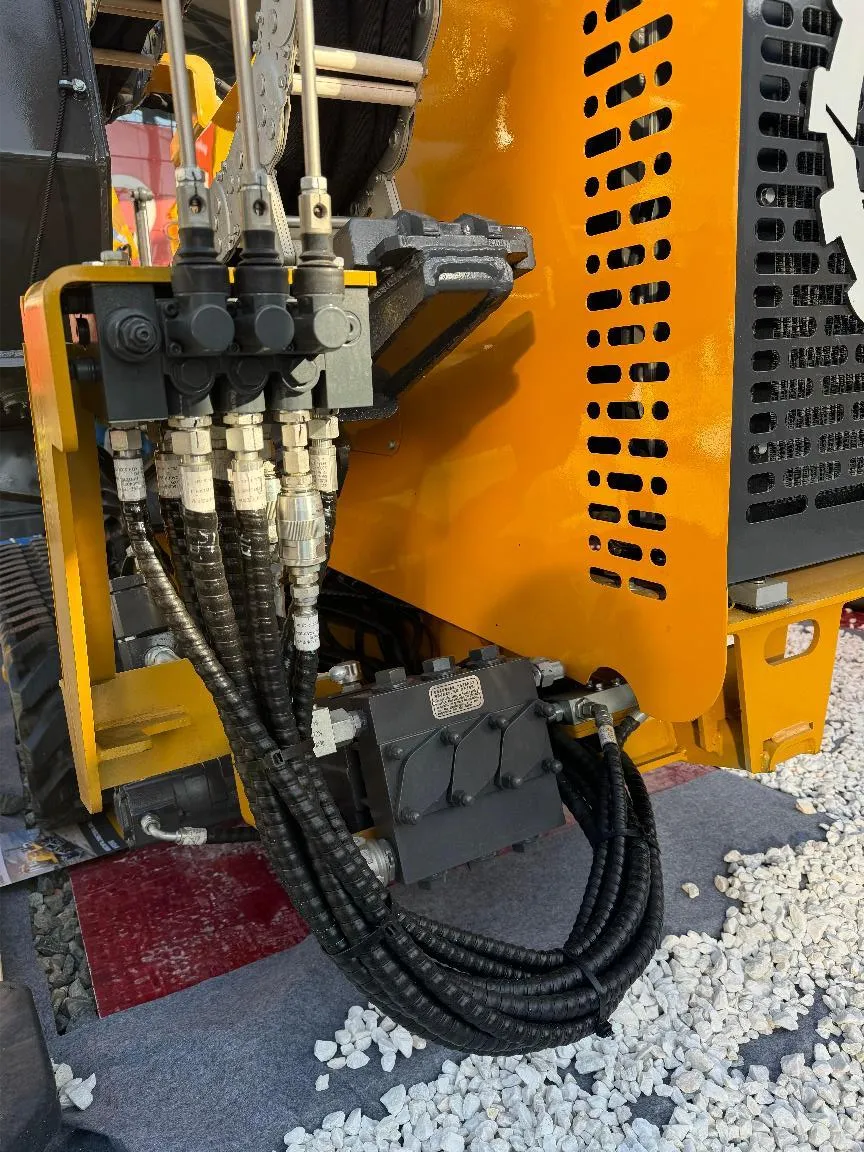
High impulse hydraulic hoses are critical components in fluid power systems, designed to transmit hydraulic fluid under extreme pressure and cyclical loading. Unlike standard hydraulic hoses, high impulse hoses are engineered to withstand repeated pressure surges, commonly found in applications such as agricultural machinery, construction equipment, and heavy industrial machinery. The core function is reliable power transmission, but their selection is dictated by compatibility with the hydraulic fluid, operating temperature, pressure ratings, and the specific demands of the application. Failure in a high impulse hose can lead to significant downtime, safety hazards, and costly repairs, making proper selection and maintenance paramount. This guide provides a comprehensive analysis of high impulse hydraulic hose technology, covering material science, manufacturing processes, performance characteristics, failure modes, and relevant industry standards.
Material Science & Manufacturing
High impulse hydraulic hoses typically consist of four primary layers: the inner tube, reinforcement layers, outer cover, and in some designs, an intermediary bond layer. The inner tube is commonly constructed from synthetic rubbers like nitrile (NBR), chloroprene (CR), or fluoropolymers (FKM/Viton), chosen for their compatibility with a wide range of hydraulic fluids – including petroleum-based oils, synthetic fluids, and water-glycol mixtures. NBR provides good abrasion resistance and cost-effectiveness, while FKM offers superior resistance to high temperatures and aggressive chemicals. The reinforcement layer is the defining feature of high impulse hoses; it is commonly comprised of multiple layers of high-tensile steel wire helically wound around the inner tube. The number of layers and wire diameter dictate the hose's pressure rating and impulse capacity. Spiral wrapping techniques are critical for maintaining consistent tension and preventing wire fatigue. Recent advancements include the incorporation of aramid fiber braids in conjunction with steel wire, offering a higher strength-to-weight ratio. The outer cover is typically made of synthetic rubber, such as polyurethane or a blend of elastomers, providing protection against abrasion, weathering, and ozone degradation. Manufacturing processes include extrusion of the inner tube and outer cover, followed by precise winding of the reinforcement layers. Quality control focuses on layer adhesion, wire spacing consistency, and dimensional accuracy. Vulcanization, a process involving heat and pressure, permanently bonds the layers together, achieving the desired physical and chemical properties.

Performance & Engineering
The performance of a high impulse hydraulic hose is fundamentally governed by its ability to withstand cyclical pressure loads without failure. Key engineering considerations include burst pressure, working pressure, impulse pressure rating, and fatigue life. Burst pressure represents the maximum pressure the hose can withstand before catastrophic failure; working pressure is typically 50-75% of the burst pressure. The impulse pressure rating is crucial for high impulse applications, defining the hose’s ability to handle repeated pressure surges. This is determined through rigorous testing using standardized impulse test rigs that simulate realistic operating conditions. Force analysis involves calculating hoop stress within the reinforcement layers during pressure cycling. Finite Element Analysis (FEA) is frequently employed to optimize reinforcement configurations and predict stress distribution. Environmental resistance is also a critical factor. Exposure to extreme temperatures, UV radiation, and corrosive substances can degrade the hose materials, reducing its service life. Hose assemblies must be engineered to account for bending radius, fitting compatibility, and potential interference with surrounding components. Compliance requirements, such as those mandated by SAE J517 and EN 856, dictate minimum performance standards and testing protocols. Proper fitting selection and installation are vital; incorrect fittings can introduce stress concentrations and premature failure points.
Technical Specifications
| Parameter | Unit | Typical Value (SAE 100R12 Equivalent) | Typical Value (EN 856 4SH Equivalent) |
|---|---|---|---|
| Working Pressure | MPa | 20.7 | 21 |
| Burst Pressure | MPa | 82.7 | 84 |
| Impulse Cycles (at 120% WP) | Cycles | 200,000 | 300,000 |
| Temperature Range | °C | -40 to +100 | -40 to +100 |
| Inner Tube Material | - | NBR | NBR |
| Reinforcement | - | Multiple Steel Wire Spiral | Multiple Steel Wire Spiral |
| Outer Cover Material | - | Polyurethane | Polyurethane |
Failure Mode & Maintenance
High impulse hydraulic hoses are susceptible to several failure modes, primarily stemming from fatigue, abrasion, and chemical degradation. Fatigue cracking, originating in the reinforcement layers, is the most common failure mechanism, driven by repeated pressure cycling. Wire breakage, often initiated by corrosion or bending stress, accelerates fatigue crack propagation. Abrasion, caused by external contact with other components or abrasive media, can wear through the outer cover and expose the reinforcement layers. Chemical degradation, resulting from incompatibility with the hydraulic fluid or exposure to corrosive environments, can weaken the rubber compounds and reduce the hose's flexibility. Internal degradation can also occur due to fluid contamination and heat buildup. Failure analysis typically involves visual inspection for cracks, bulges, or abrasions, followed by microscopic examination of the fracture surfaces. Preventative maintenance includes regular visual inspections, leak checks, and pressure testing. Hoses should be replaced if any signs of damage are detected. Proper routing and support are essential to minimize bending stress and abrasion. Hydraulic fluid should be regularly filtered to remove contaminants. Storage conditions are critical; hoses should be stored in a cool, dry place away from direct sunlight and ozone sources. Flexing the hose periodically during storage can prevent the rubber from becoming brittle.
Industry FAQ
Q: What is the primary difference between a standard hydraulic hose and a high impulse hose?
A: The primary difference lies in the reinforcement construction and resulting impulse pressure rating. High impulse hoses utilize multiple layers of spiral-wound steel wire, engineered to withstand significantly higher and more frequent pressure surges compared to standard hoses, which typically have fewer reinforcement layers.
Q: How does hydraulic fluid compatibility affect hose selection?
A: Hydraulic fluid compatibility is paramount. Using a hose with an incompatible inner tube material can lead to swelling, softening, and ultimately, hose failure. It’s essential to consult compatibility charts provided by hose manufacturers and ensure the inner tube material is suitable for the specific fluid being used.
Q: What are the critical considerations for determining the appropriate working pressure of a high impulse hose?
A: The working pressure should be determined based on the maximum system pressure, accounting for pressure spikes and fluctuations. It's generally recommended to select a hose with a working pressure that is at least 1.5 times the maximum system pressure to provide a safety margin.
Q: How can I mitigate the risk of hose fatigue failure?
A: Mitigating fatigue failure involves proper hose routing to minimize bending stress, avoiding sharp turns and abrasive surfaces. Selecting a hose with an adequate impulse rating for the application, proper fitting installation, and regular visual inspections are also crucial.
Q: What is the role of fitting selection in ensuring hose reliability?
A: Fittings must be compatible with the hose material and pressure rating. Incorrectly sized or improperly crimped fittings can create stress concentrations, leading to premature failure. Using certified fittings and following manufacturer's instructions for crimping procedures is vital.
Conclusion
High impulse hydraulic hoses represent a sophisticated engineering solution for fluid power transmission in demanding applications. Their reliable performance is contingent upon meticulous material selection, precise manufacturing processes, and a thorough understanding of operating conditions. The key to long-term reliability lies in specifying a hose that precisely matches the application’s pressure, temperature, fluid compatibility, and impulse requirements.
Future advancements in high impulse hose technology will likely focus on developing lighter-weight materials, improving chemical resistance, and incorporating smart sensing capabilities for real-time condition monitoring. Adherence to industry standards and best practices in maintenance and inspection remain critical for maximizing hose service life and ensuring operational safety.