


best baili hose factories Performance Analysis
Introduction
Hydraulic hose assemblies represent a critical component in fluid power systems across numerous industries, including construction, agriculture, manufacturing, and oil & gas. Baili hose factories, particularly those recognized as leading manufacturers, are central to supplying reliable and durable hoses capable of withstanding demanding operating conditions. This technical guide focuses on the intricacies of Baili hose production, material science, performance characteristics, potential failure modes, and relevant industry standards. A primary industry pain point revolves around hose failure leading to downtime, safety hazards, and costly repairs. Therefore, understanding hose construction and specifying appropriate materials are paramount for optimal system performance and longevity. This document aims to provide a comprehensive overview, enabling informed decision-making in procurement and application engineering. The core performance of these hoses is defined by their pressure rating, temperature range, fluid compatibility, and resistance to abrasion and kinking.
Material Science & Manufacturing
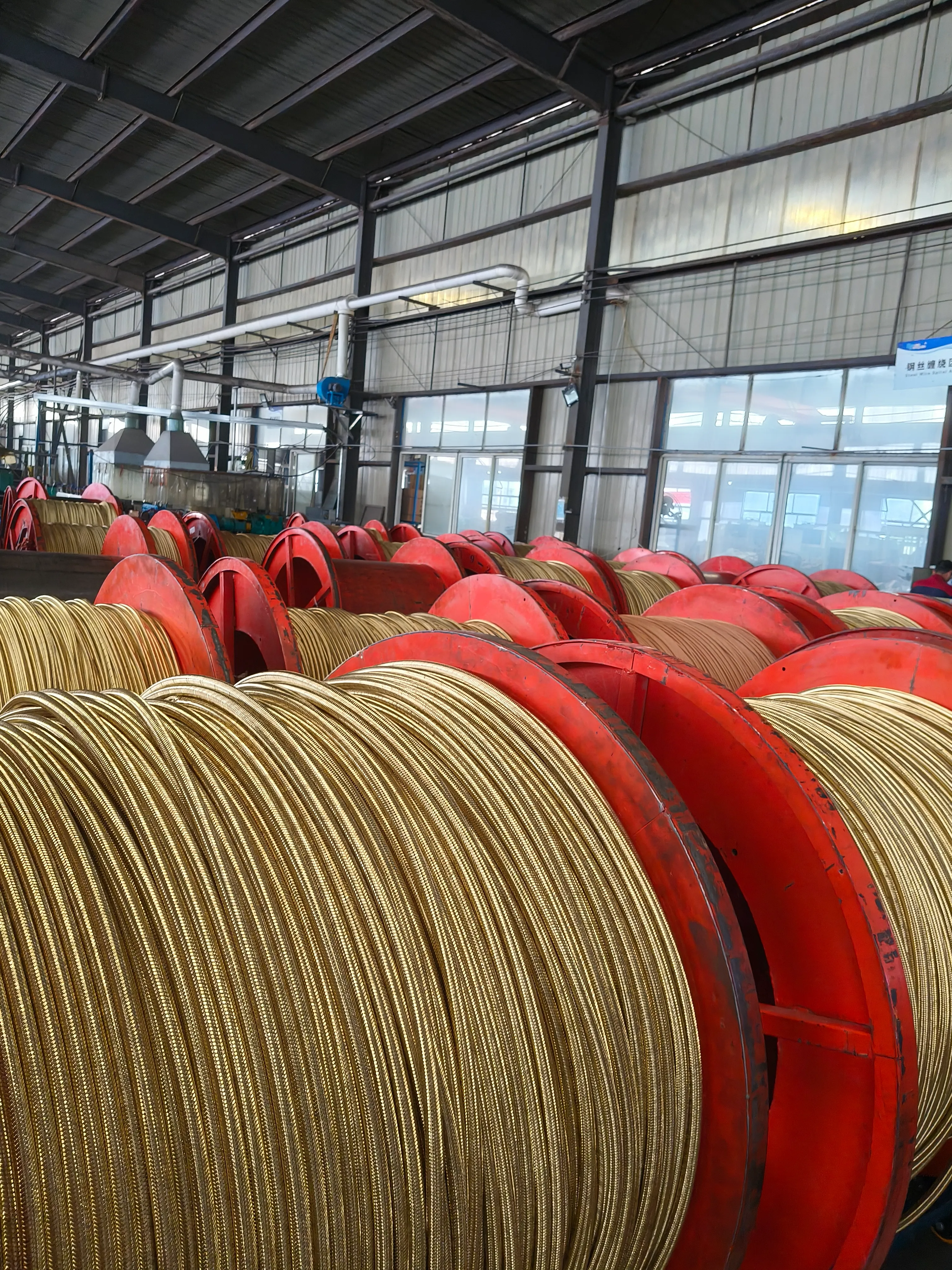
Baili hose construction typically involves multiple layers designed to provide strength, flexibility, and fluid resistance. The inner tube, in contact with the fluid, is commonly made from synthetic rubbers like Nitrile (NBR), Ethylene Propylene Diene Monomer (EPDM), or Fluorocarbon (FKM - Viton). NBR offers good resistance to petroleum-based fluids, while EPDM excels in water and phosphate ester fluid compatibility. FKM provides superior resistance to high temperatures and aggressive chemicals but at a higher cost. The reinforcement layer is crucial for pressure containment and is frequently composed of multiple high-tensile strength steel wire braids, or a combination of spiraled steel wire and textile braiding. The number of braids or spiral layers dictates the hose's working pressure capacity. Finally, the outer cover provides abrasion, weather, and ozone resistance, usually utilizing a synthetic rubber blend like Chloroprene or Polyurethane.
Manufacturing processes begin with rubber compounding, meticulously mixing raw rubber polymers with reinforcing fillers (carbon black, silica), plasticizers, processing oils, and curing agents. Extrusion is then used to form the inner tube and outer cover. Precise control of extrusion temperature, screw speed, and die pressure are essential to ensure consistent wall thickness and dimensional accuracy. Reinforcement layers are applied via automated braiding or spiraling machines. The hose assembly then undergoes curing (vulcanization) in autoclaves under controlled temperature and pressure to cross-link the rubber polymers, imparting elasticity and durability. Quality control includes dimensional inspections, pressure testing to specified burst pressures (often exceeding the working pressure by a 4:1 safety factor), and impulse testing to assess resistance to cyclic pressure fluctuations. The chemical compatibility of the inner tube material with the intended fluid is verified through immersion testing.
Performance & Engineering
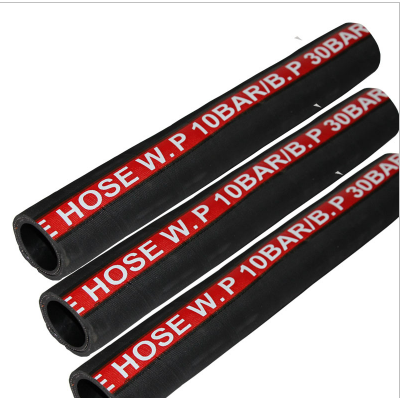
Hydraulic hose performance is governed by fundamental principles of stress analysis and fluid mechanics. Working pressure is a critical parameter, dictated by the reinforcement layer and defined as the maximum continuous operating pressure at a specified temperature. Burst pressure represents the pressure at which the hose fails catastrophically and must be significantly higher than the working pressure. Impulse pressure resistance is vital in systems with pressure pulsations (e.g., hydraulic pumps), and hoses are subjected to cyclic pressure testing to assess their ability to withstand these fluctuations without failure.
Hose bend radius is another crucial engineering consideration. Exceeding the minimum bend radius can cause kinking, restricting fluid flow and potentially damaging the hose. Environmental resistance is also paramount; exposure to extreme temperatures, UV radiation, ozone, and corrosive chemicals can degrade the rubber compounds. Compliance with industry standards (detailed in the footer) is essential, ensuring that hoses meet minimum performance and safety requirements. Finite Element Analysis (FEA) is often employed to optimize hose design and predict stress distribution under various loading conditions. Furthermore, the selection of end fittings (crimped or swaged) must be compatible with the hose material and pressure rating to ensure a leak-free and reliable connection.
Technical Specifications
| Parameter | Unit | Standard Specification (Typical Baili Hose) | Typical Application |
|---|---|---|---|
| Working Pressure | MPa | Up to 35 MPa (5000 PSI) | General hydraulic systems |
| Burst Pressure | MPa | 140 MPa (20,000 PSI) | Safety factor of 4:1 |
| Temperature Range | °C | -40 to +100 °C (-40 to +212 °F) | Wide range of operating environments |
| Inner Tube Material | - | NBR, EPDM, FKM | Fluid compatibility dictates selection |
| Reinforcement | Layers | 2-6 wire braids, or spiral wire | Pressure rating dependent on layer count |
| Outer Cover Material | - | Chloroprene, Polyurethane | Abrasion and weather resistance |
Failure Mode & Maintenance
Hydraulic hose failures can manifest in several ways. Fatigue cracking, often occurring near end fittings due to cyclic bending and pressure fluctuations, is a common failure mode. Abrasion damage can degrade the outer cover, exposing the reinforcement layers to corrosion. Kinking, resulting from exceeding the minimum bend radius, restricts fluid flow and can lead to hose rupture. Chemical attack from incompatible fluids can cause swelling, softening, and degradation of the inner tube. Blow-out failure occurs when the reinforcement layers are unable to withstand the internal pressure.
Preventative maintenance is crucial for extending hose life. Regular visual inspections should be conducted to identify signs of abrasion, cracking, or swelling. Hoses should be routed correctly, avoiding sharp bends and contact with hot surfaces. Proper end fitting selection and crimping procedures are essential. Fluid contamination can accelerate hose degradation, so regular fluid filtration is recommended. If a hose shows signs of damage, it should be replaced immediately. Furthermore, proper storage of hoses (protected from UV radiation, ozone, and extreme temperatures) is important to maintain their integrity. Record keeping of hose replacement dates and operating conditions can help identify recurring problems and optimize maintenance schedules.
Industry FAQ
Q: What is the impact of fluid velocity on hose lifespan?
A: Higher fluid velocities can increase erosion of the inner tube, particularly with abrasive fluids or particulate contamination. This accelerates wear and can lead to premature failure. Selecting a hose with a larger inner diameter to reduce fluid velocity is often recommended.
Q: How does temperature affect hose performance?
A: Elevated temperatures can reduce the strength and flexibility of rubber compounds, decreasing the hose's pressure rating and increasing the risk of cracking. Low temperatures can make the hose brittle and susceptible to damage. Hose selection should consider the full operating temperature range.
Q: What is the best practice for hose routing to minimize stress?
A: Hose routing should avoid sharp bends, kinks, and abrasion points. Support the hose at regular intervals to prevent sagging and strain. Ensure sufficient clearance between the hose and moving parts. Use hose guards where necessary.
Q: What is the difference between crimped and swaged fittings?
A: Crimped fittings are permanently attached to the hose using a specialized crimping machine, providing a robust and leak-resistant connection. Swaged fittings are expanded and then compressed onto the hose, offering a less secure connection and potentially prone to leakage.
Q: How important is the selection of the right hose end fitting material?
A: The end fitting material must be compatible with both the hose material and the fluid being conveyed to prevent corrosion and ensure a leak-proof seal. Common materials include steel, stainless steel, and brass.
Conclusion
The reliable performance of hydraulic hose assemblies is fundamentally linked to a thorough understanding of material science, manufacturing processes, and engineering principles. Baili hose factories play a pivotal role in delivering products that meet the stringent demands of modern industrial applications. Selecting the appropriate hose for a given application requires careful consideration of factors such as working pressure, temperature range, fluid compatibility, and environmental conditions.
Proactive maintenance, including regular inspections and timely replacement of damaged hoses, is essential for preventing costly downtime and ensuring operator safety. Adherence to relevant industry standards (outlined below) provides assurance of quality and performance. Continuous advancements in materials and manufacturing techniques are driving the development of increasingly durable and reliable hydraulic hose solutions.