


3 4 hydraulic hose Performance Engineering
Introduction
3/4 inch hydraulic hose represents a critical component in fluid power systems, facilitating the transmission of hydraulic fluid to actuate machinery across diverse industrial applications. This specification denotes the hose’s internal diameter, impacting flow rate and pressure capacity. Its position within the industry chain is fundamental, directly influencing the efficiency and reliability of hydraulic circuits in construction equipment, agricultural machinery, manufacturing plants, and mobile hydraulic systems. Core performance characteristics are defined by working pressure, burst pressure, temperature range, and fluid compatibility, all vital considerations for ensuring safe and effective operation. Understanding the nuances of 3/4 inch hydraulic hose construction – including reinforcement layers, inner tube materials, and outer cover properties – is crucial for procurement and maintenance professionals striving to optimize system performance and minimize downtime. The selection of appropriate hose assemblies requires a detailed assessment of application requirements to avoid premature failure and maintain operational safety.
Material Science & Manufacturing
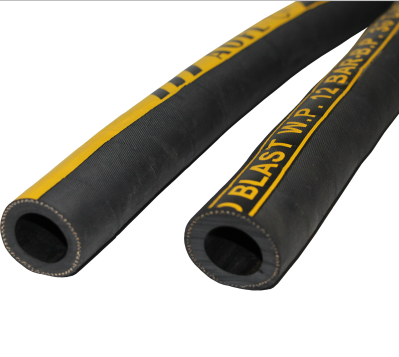
The construction of a 3/4 inch hydraulic hose involves a multi-layered system, each component contributing to its overall performance. The inner tube is typically composed of synthetic rubbers, such as nitrile (NBR), chloroprene (CR), or ethylene propylene diene monomer (EPDM). NBR provides excellent resistance to petroleum-based fluids, making it suitable for general hydraulic applications. CR offers superior resistance to heat and weathering, while EPDM excels in phosphate ester fluid compatibility. Reinforcement layers, crucial for withstanding high pressures, are commonly constructed from multiple plies of high-tensile steel wire, spirally wrapped or braided. The number and configuration of these layers directly correlate to the hose’s working and burst pressures. The outer cover, typically made from abrasion and weather-resistant synthetic rubber like CR or polyurethane, protects the reinforcement layers from environmental damage and mechanical wear. Manufacturing processes involve extrusion for the inner tube and outer cover, followed by the application of reinforcement layers. Spiral wrapping utilizes precisely controlled winding tension to ensure uniform pressure distribution. Braiding requires specialized machinery to interweave the steel wires, creating a flexible yet robust structure. Parameter control during manufacturing, including rubber compound mixing ratios, wire tension, and curing temperatures, is paramount to achieving consistent product quality and performance. Post-production testing, including pressure testing, impulse testing, and dimensional inspection, is essential for verifying compliance with industry standards.

Performance & Engineering
The performance of a 3/4 inch hydraulic hose is governed by fundamental engineering principles relating to fluid dynamics and material strength. Force analysis considers both internal hydraulic pressure and external mechanical loads, including bending, flexing, and axial tension. Hose assemblies must be engineered to withstand these combined stresses without experiencing permanent deformation or failure. Environmental resistance is critical, with factors such as temperature, UV exposure, and chemical exposure impacting material degradation. Hoses operating in high-temperature environments require materials with enhanced thermal stability to prevent softening and cracking. Exposure to UV radiation can cause rubber compounds to oxidize and lose elasticity, necessitating the use of UV-resistant outer covers. Compliance requirements, dictated by regulatory bodies and industry standards, mandate specific performance characteristics, including minimum burst pressure, maximum allowable working pressure, and fluid compatibility. Functional implementation involves proper hose routing, support, and termination. Sharp bends and excessive flexing should be avoided to minimize stress concentrations. Correctly sized and installed fittings are essential for preventing leaks and ensuring a secure connection. The selection of appropriate hose guards and sleeves can provide additional protection against abrasion and impact damage. Impulse testing, simulating the pressure pulsations inherent in hydraulic systems, is crucial for verifying the hose’s ability to withstand dynamic loading.
Technical Specifications
| Parameter | Specification (Standard Duty) | Specification (High Pressure) | Specification (Extreme Temperature) |
|---|---|---|---|
| Inner Diameter | 0.75 inches (19.05 mm) | 0.75 inches (19.05 mm) | 0.75 inches (19.05 mm) |
| Working Pressure (PSI) | 2000 PSI (13.8 MPa) | 4000 PSI (27.6 MPa) | 2000 PSI (13.8 MPa) |
| Burst Pressure (PSI) | 8000 PSI (55.2 MPa) | 16000 PSI (110.3 MPa) | 8000 PSI (55.2 MPa) |
| Temperature Range (°F) | -40°F to +212°F (-40°C to +100°C) | -40°F to +212°F (-40°C to +100°C) | -65°F to +250°F (-54°C to +121°C) |
| Reinforcement | 2 Wire Braid | 4 Wire Braid | 2 Wire Braid, Special Rubber Compound |
| Cover Material | Synthetic Rubber (CR) | Synthetic Rubber (CR) | Synthetic Rubber (EPDM) |
Failure Mode & Maintenance
3/4 inch hydraulic hoses are susceptible to various failure modes under operational stress. Fatigue cracking, initiated by repeated flexing and pressure cycling, occurs within the reinforcement layers, leading to eventual rupture. Delamination, the separation of reinforcement plies, results from insufficient bonding between layers or exposure to corrosive fluids. Degradation of the inner tube material, caused by chemical attack or extreme temperatures, compromises its integrity and allows fluid leakage. Oxidation of the outer cover, induced by UV exposure and ozone, leads to cracking and loss of protective properties. Abrasion, resulting from contact with abrasive surfaces, wears away the outer cover, exposing the reinforcement layers. Improper installation, including excessive bending and incorrect fitting torque, introduces stress concentrations and accelerates failure. Maintenance strategies should encompass regular visual inspections for signs of wear, cracking, or leakage. Pressure testing can identify hoses with reduced pressure capacity. Hose assemblies should be replaced proactively based on service life recommendations or when signs of degradation are detected. Proper storage, protected from sunlight and extreme temperatures, extends the service life of unused hoses. Periodic cleaning removes contaminants that can accelerate degradation. Lubricating fittings ensures smooth operation and prevents seizing. Record keeping of hose replacements and maintenance activities facilitates proactive management and minimizes unexpected downtime.
Industry FAQ
Q: What is the impact of fluid velocity on the service life of a 3/4 inch hydraulic hose?
A: Higher fluid velocities increase frictional heat and induce vibration, accelerating fatigue failure. Maintaining fluid velocity within recommended limits (typically 15-20 feet per second) minimizes wear and extends hose life. Proper hose sizing is critical to achieve optimal fluid velocity.
Q: How does hose layline marking contribute to maintenance and safety?
A: Layline markings, permanently imprinted on the hose cover, indicate the hose manufacturer, manufacturing date, and pressure rating. This information facilitates traceability and enables accurate assessment of hose age and suitability for continued service. It aids in identifying hoses that have exceeded their recommended service life.
Q: What is the best practice for routing a 3/4 inch hydraulic hose to minimize stress?
A: Routing should avoid sharp bends, kinks, and abrasive contact. Hose supports should be used to prevent sagging and excessive flexing. Maintain sufficient clearance between the hose and moving parts. Protect hoses from direct exposure to heat sources and corrosive chemicals.
Q: What are the consequences of using an incompatible hydraulic fluid with a specific hose material?
A: Incompatible fluids can cause swelling, softening, or degradation of the inner tube material, leading to leaks and hose failure. Always verify fluid compatibility with the hose manufacturer’s specifications before use. Using the wrong fluid voids any warranty.
Q: What is the recommended torque for hydraulic hose fittings and why is it important?
A: Recommended torque values vary depending on fitting type and size. Under-torquing can lead to leaks, while over-torquing can damage the fitting or hose. Using a calibrated torque wrench and adhering to the manufacturer’s specifications ensures a secure and reliable connection.
Conclusion
The selection and maintenance of 3/4 inch hydraulic hoses are critical to the reliable operation of hydraulic systems. Understanding the material science, manufacturing processes, and performance characteristics of these components is essential for mitigating failure risks and maximizing service life. Proper engineering design, incorporating appropriate hose routing, support, and termination techniques, plays a pivotal role in ensuring long-term performance.
Moving forward, advancements in hose technology will likely focus on developing materials with enhanced durability, chemical resistance, and temperature stability. Predictive maintenance strategies, leveraging sensor technology and data analytics, will enable proactive identification of potential failure points. Adherence to industry standards and best practices remains paramount for ensuring the safety and efficiency of hydraulic systems utilizing 3/4 inch hydraulic hoses.